case study
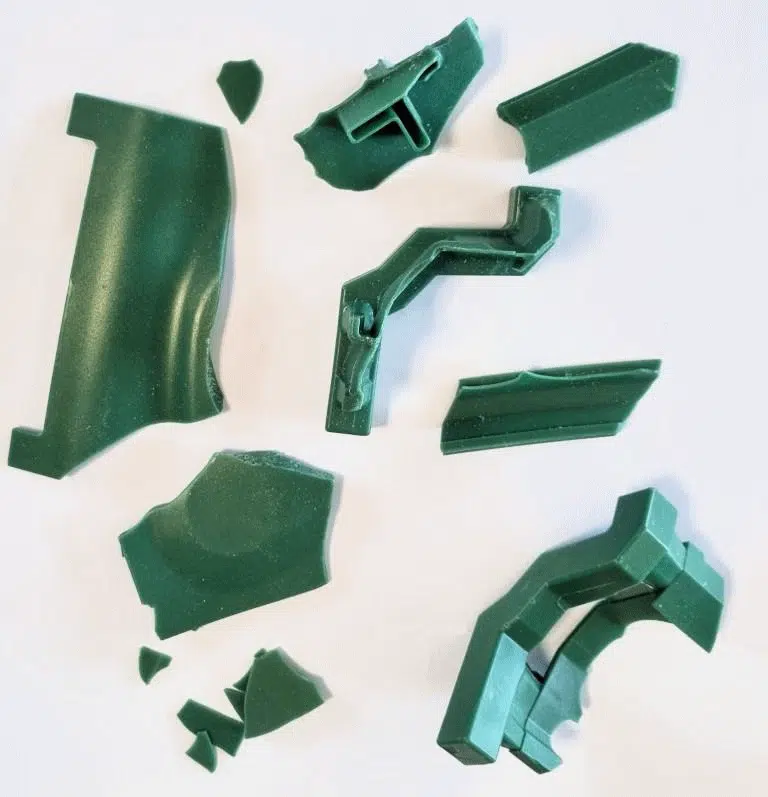
In investment casting processes, wax plays a key role upstream of production. These patterns define the final geometry of the parts, as well as their organization on production trees.
For one of our customers in the aerospace industry, specialized in investment casting, the objective was to find a solution for identifying wax patterns without the risk of damaging them.
Unlike metals, wax is an unstable material that is sensitive to pressure, temperature, and friction. Any marking operation must therefore be perfectly controlled.
Wax has specific constraints: it is soft, fragile, and sensitive to mechanical stress.
The requirement was twofold:
With a critical requirement: achieve visible marking without part deformation and with controlled depth.
Initial trials highlighted a major challenge: even with low settings, some marking methods can generate chips, burrs, or localized deformation.
On thin areas, the risk of weakening is even higher.
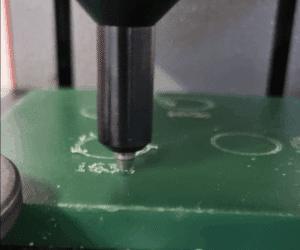
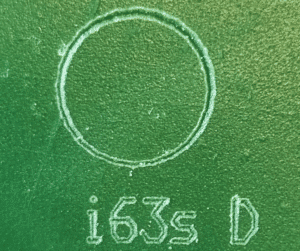
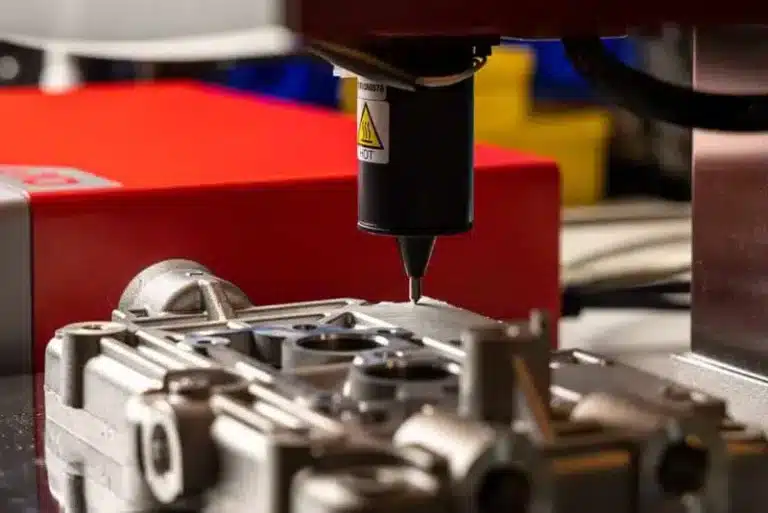
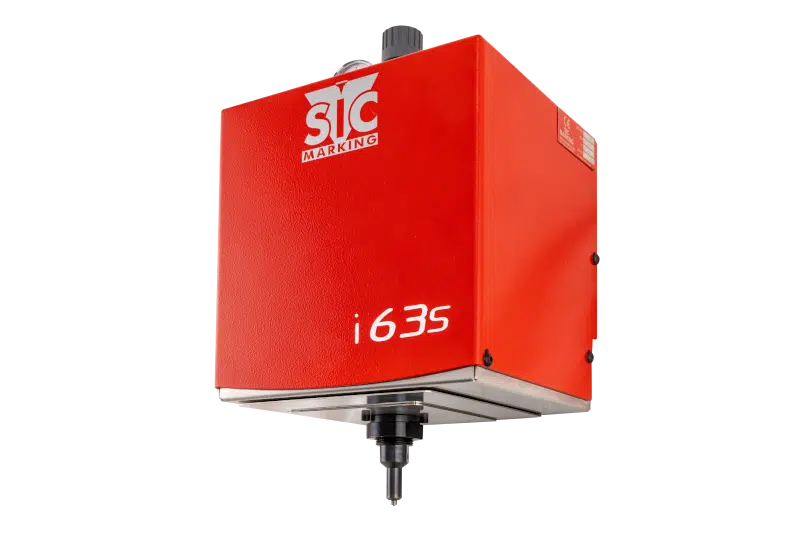
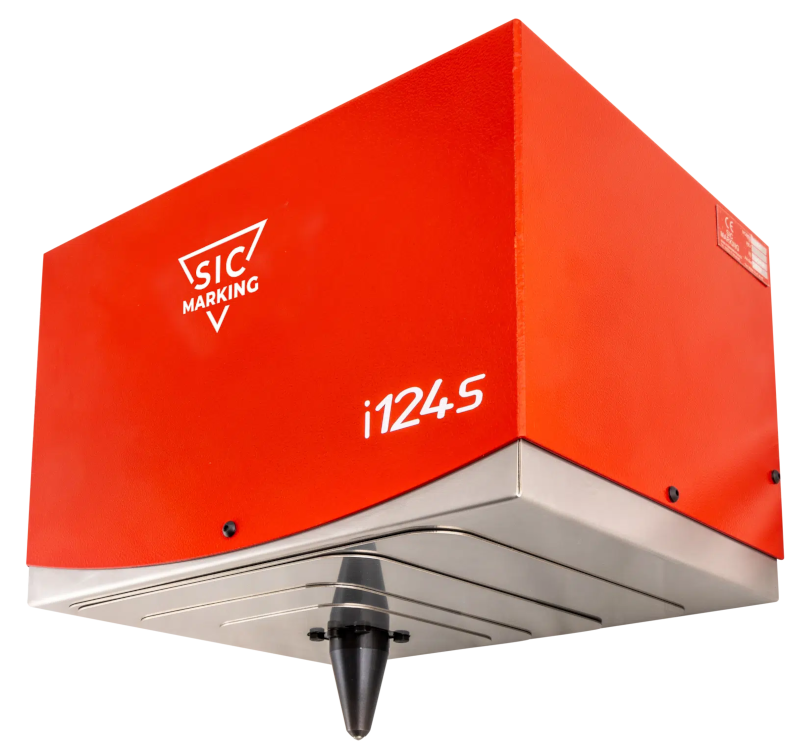
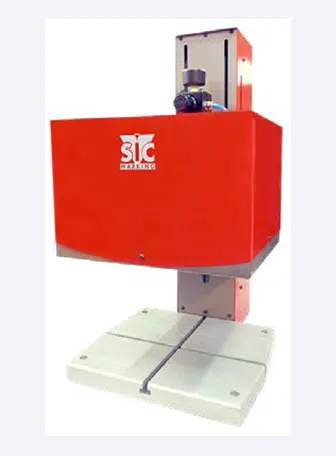
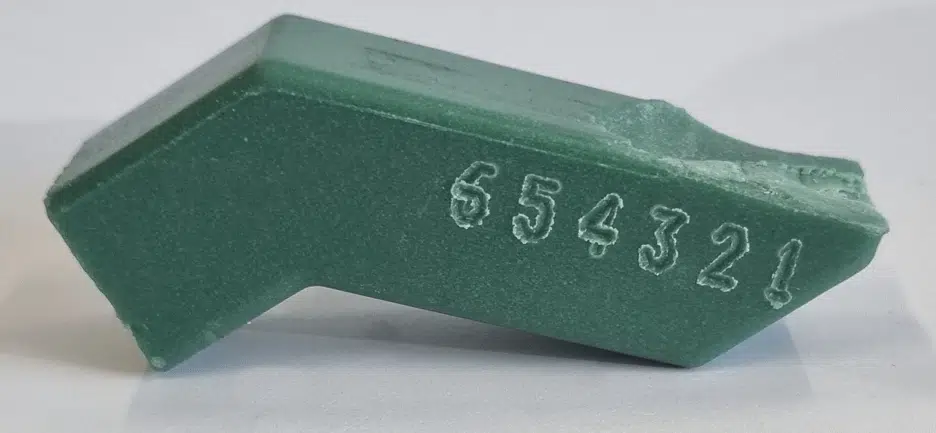
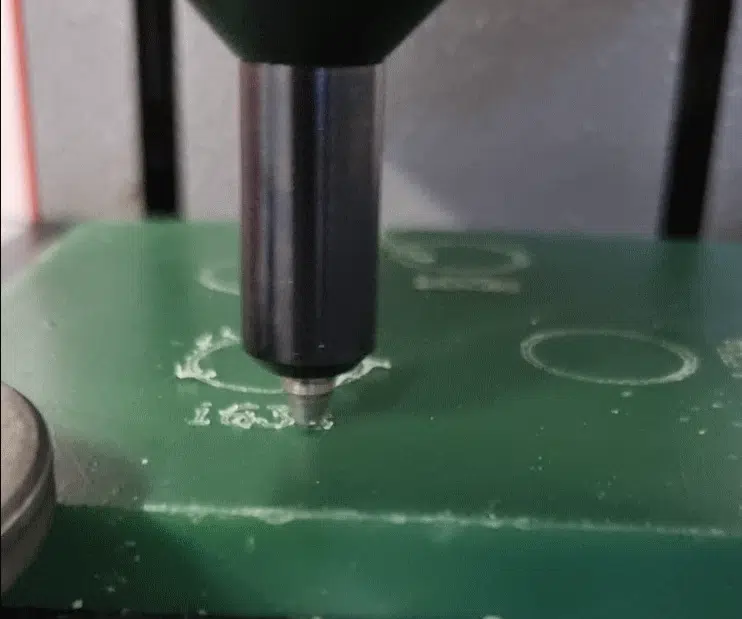
To meet these constraints, the solution selected was a mechanical marking process enabling precise control of the applied force.
Two approaches were implemented depending on the requirement:
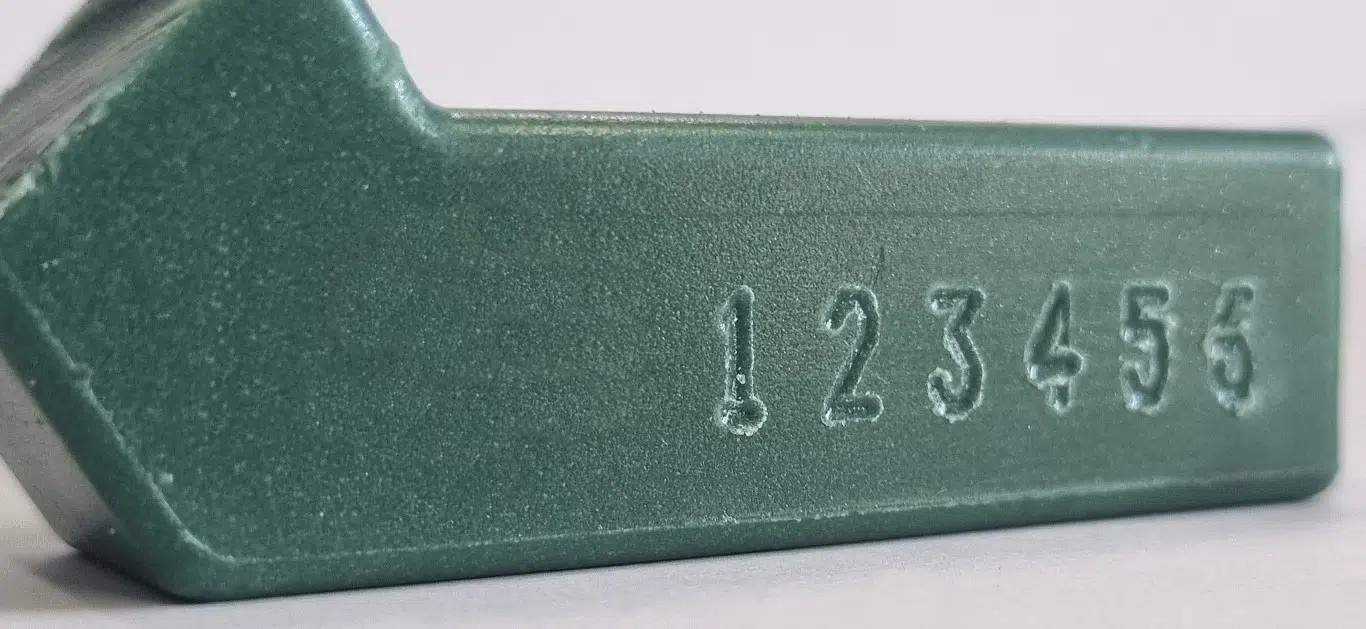
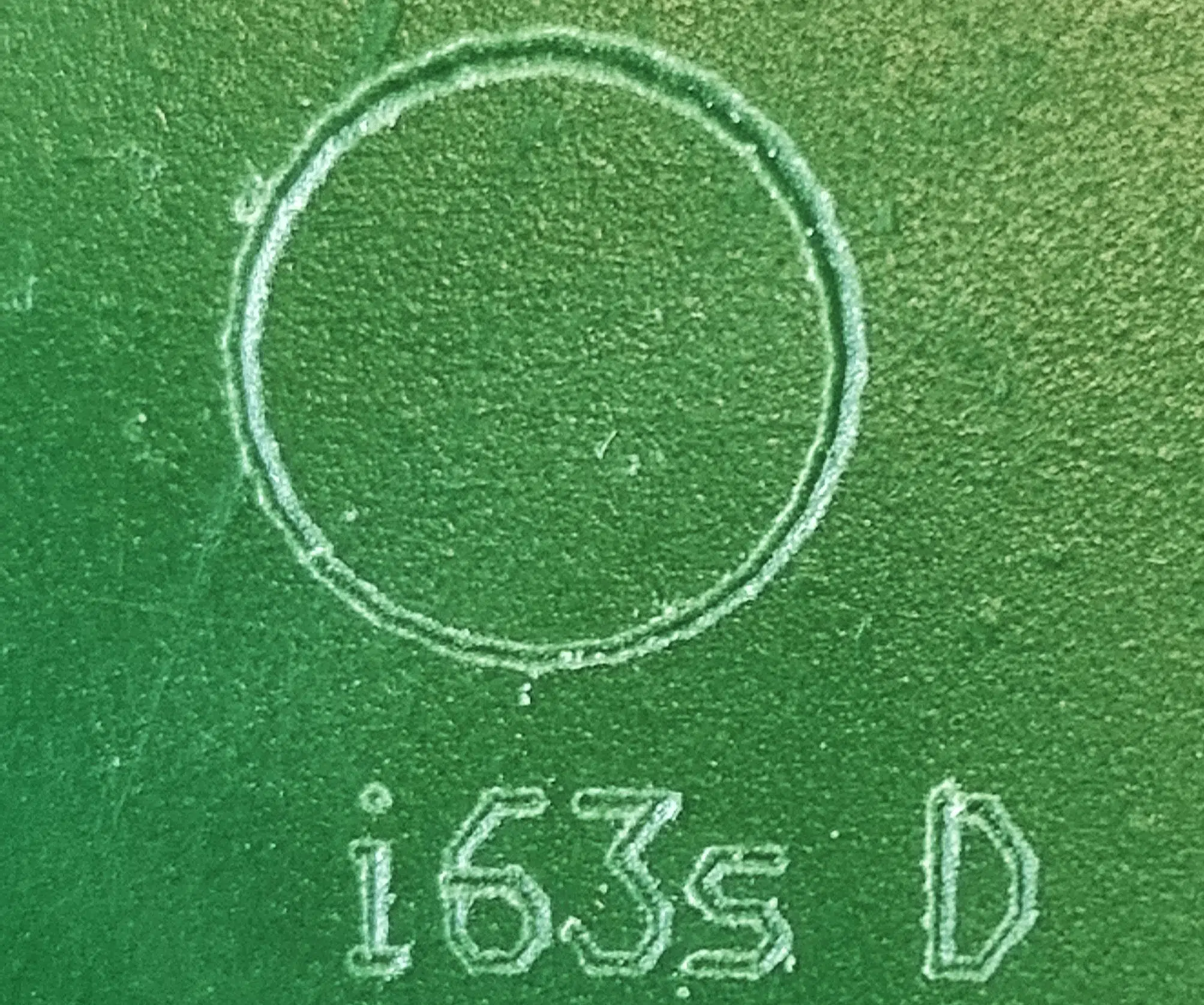
Fine adjustment of pressure and force was critical. With very low force, it is possible to achieve readable marking while minimizing the impact on the material.
The use of dedicated tools, including specific styluses, also helped reduce burr formation and improve overall marking quality.
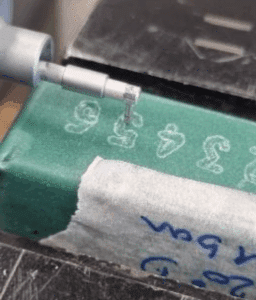
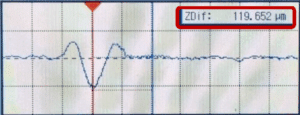
The solution was integrated while taking production constraints into account.
Industrial scribing marking is performed directly on wax patterns, prioritizing the most stable areas of the parts. Operators have access to simple settings, allowing quick parameter adjustments depending on geometry or thickness.
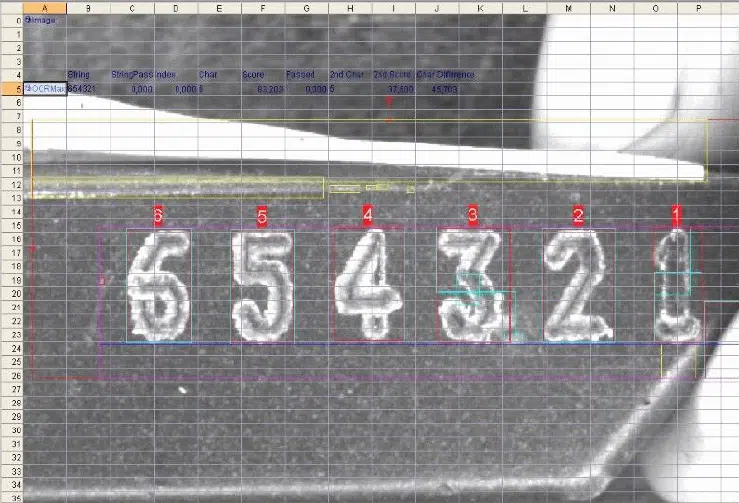
Particular attention was paid to character spacing to ensure readability, especially during visual inspection or automated verification.
Cycle times remain compatible with production rates, with marking operations completed within a few seconds.
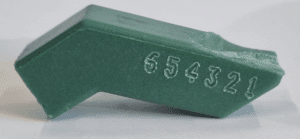
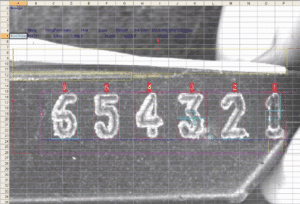
Today, marking is fully integrated into the process.
The solution provides a strong balance between visibility and material integrity, even on parts with complex geometries.
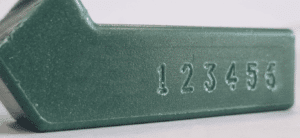
Wax patterns are identified as soon as they are produced, enabling:

our solutions
Discover our products
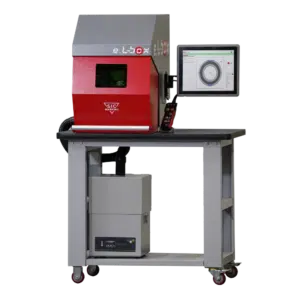
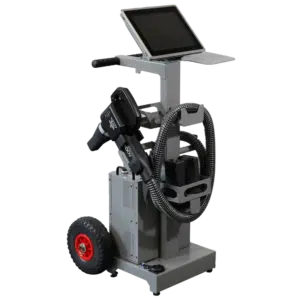
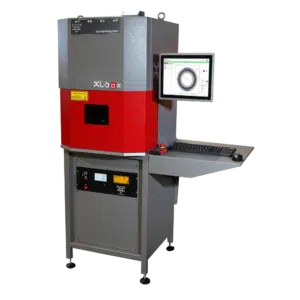
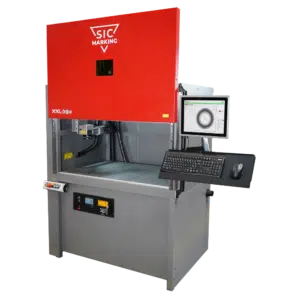
Explore our flagship laser marking, dot peen, and scribing equipment, including portable machines, integrable modules for production lines, and standalone marking stations.
Want to learn more?
Contact us!