case study
Marine Certification Engine Marking
A marine certified engine is a powerplant specifically engineered, tested, and legally approved to operate in the harsh environments of the open sea. While a “standard” industrial engine (like those found in trucks or generators) and a marine engine might share the same block, the marine version undergoes significant hardware and regulatory transformations.
The difference isn’t just a coat of white paint. To get “marine certified,” an engine must address three main enemies: salt, heat, and fire.
Standard: Uses a radiator and a fan to blow air across coolant.
Marine: Uses a heat exchanger.
Standard: Exhaust pipes are dry and get incredibly hot, which is a massive fire risk in a cramped, enclosed engine room.
Marine: Most use a “wet exhaust” system.
Standard: Components are often made of cast iron or steel with standard paint.
Marine: Uses marine-grade alloys, sacrificial anodes (to prevent galvanic corrosion), and specialized epoxy coatings on starters and alternators to survive the constant salt-spray environment.
Standard: Starters and alternators can emit small sparks during operation.
Marine: Electrical components must be ignition-protected.
Standard: Designed for variable loads (like a truck shifting gears).
Marine: Designed for a “constant load.” Imagine driving your truck uphill at 70 mph while towing a trailer—that is the constant reality for a boat engine pushing through water resistance.
Beyond the physical parts, a “certified” engine has been verified by agencies like the American Bureau of Shipping (ABS), Lloyd’s Register, or the EPA. They verify that the engine meets strict emissions standards and safety protocols (like SOLAS – Safety of Life at Sea) required for commercial or international transit.
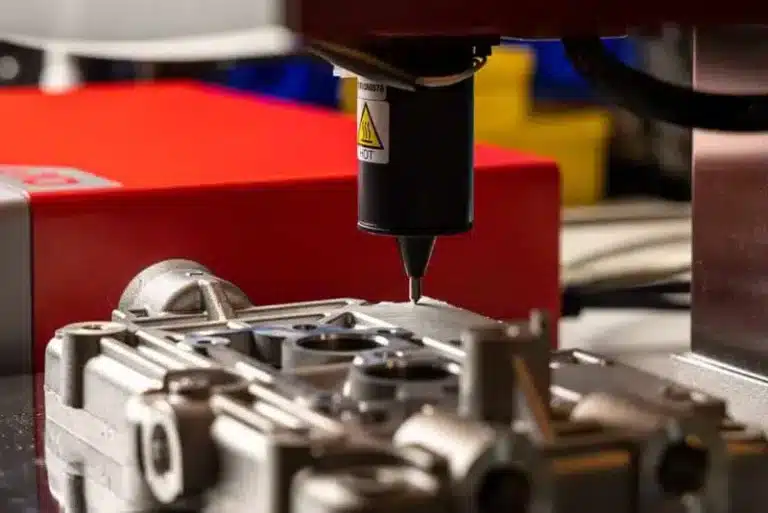
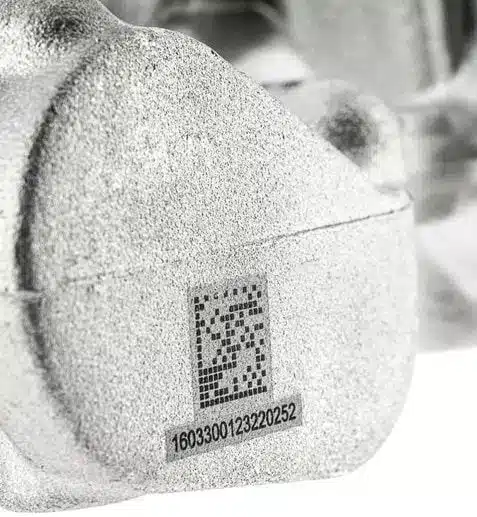
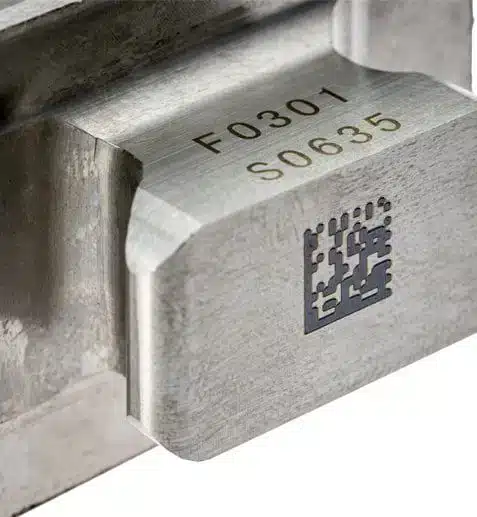
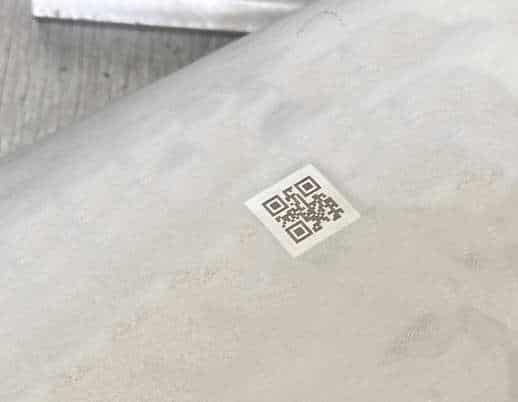
A permanent mark must then be applied to the engine showing the official symbol of the appropriate certification agency.
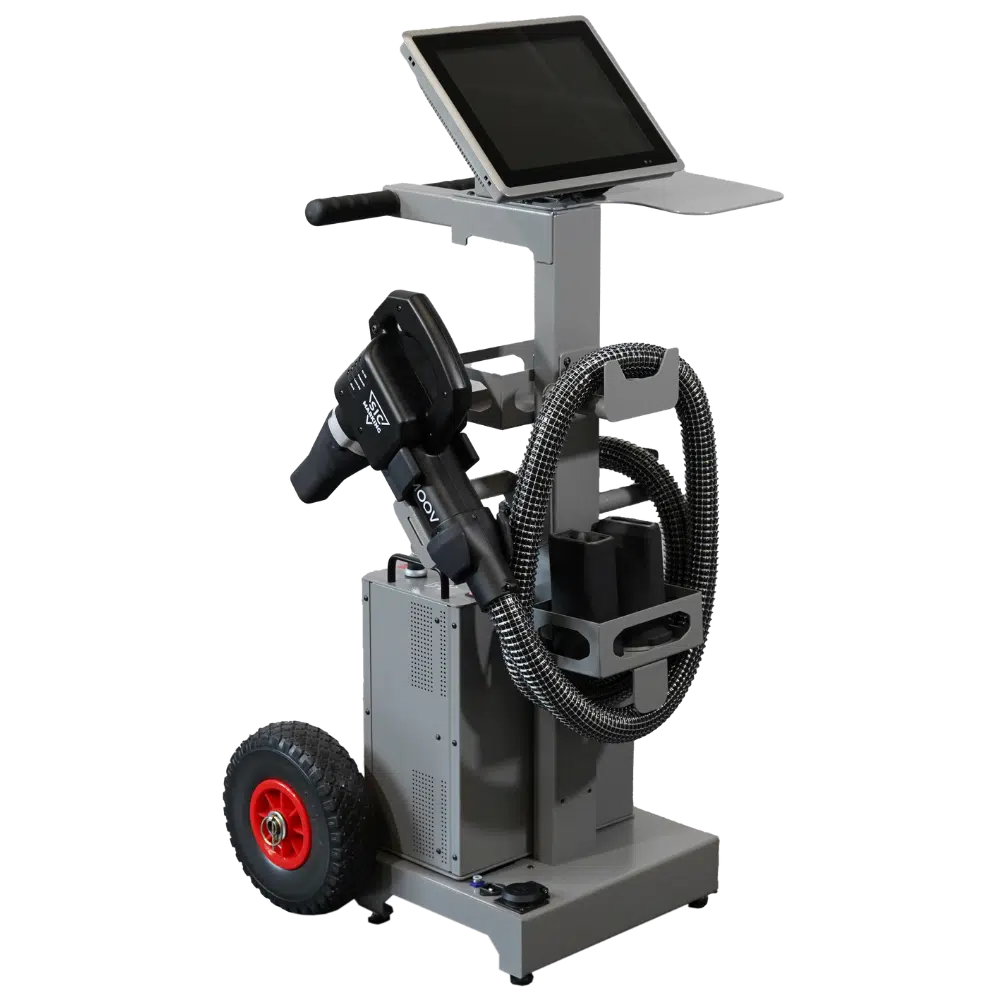
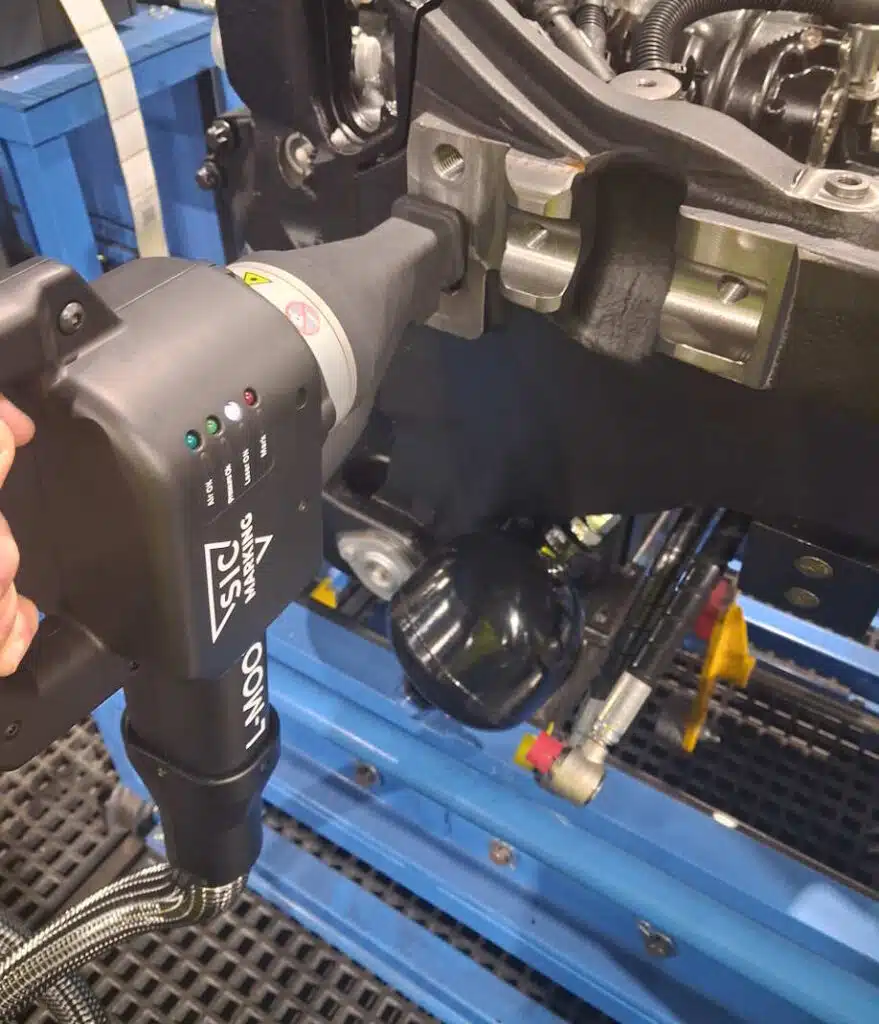
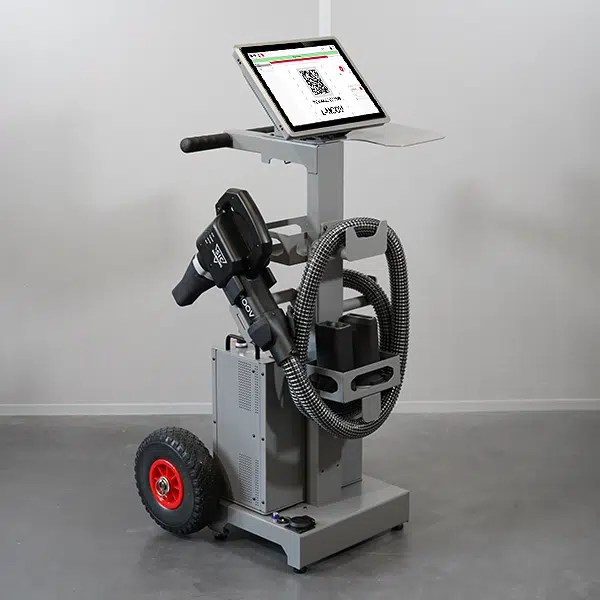
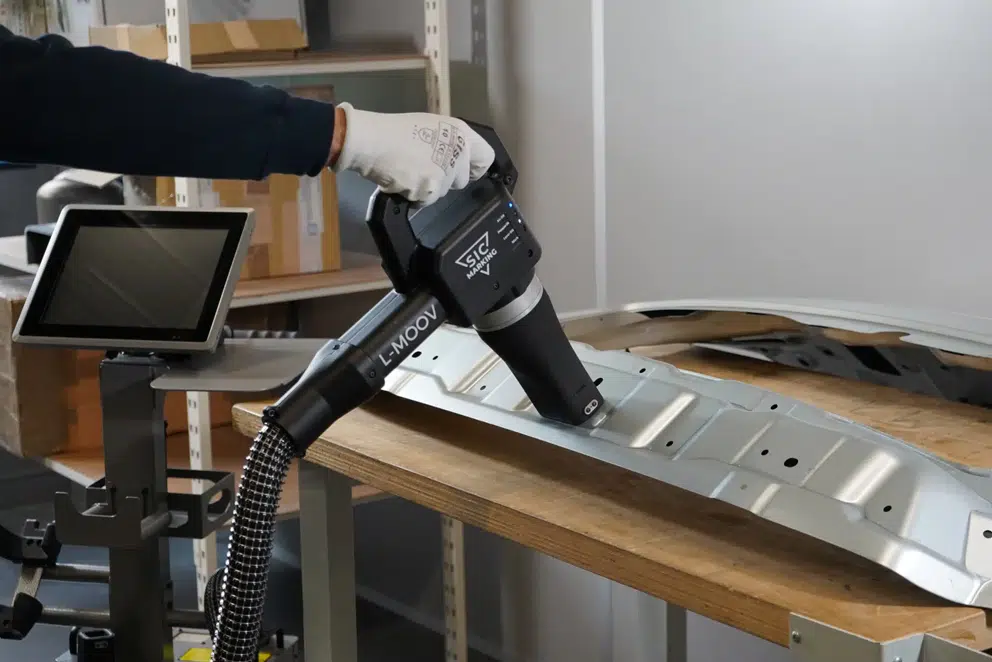
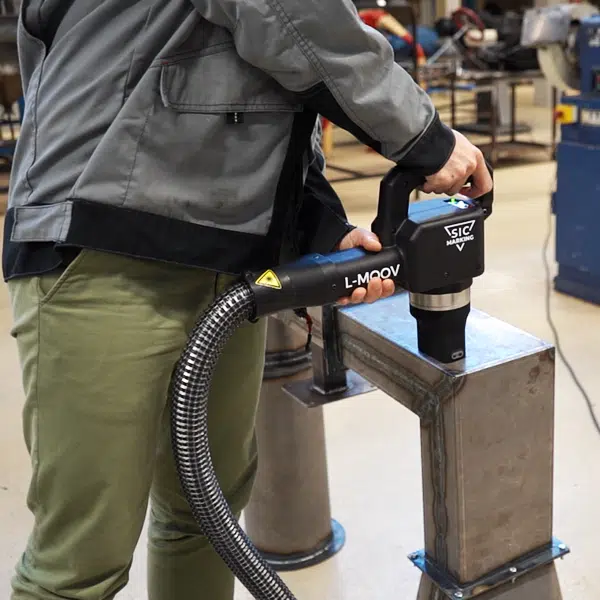
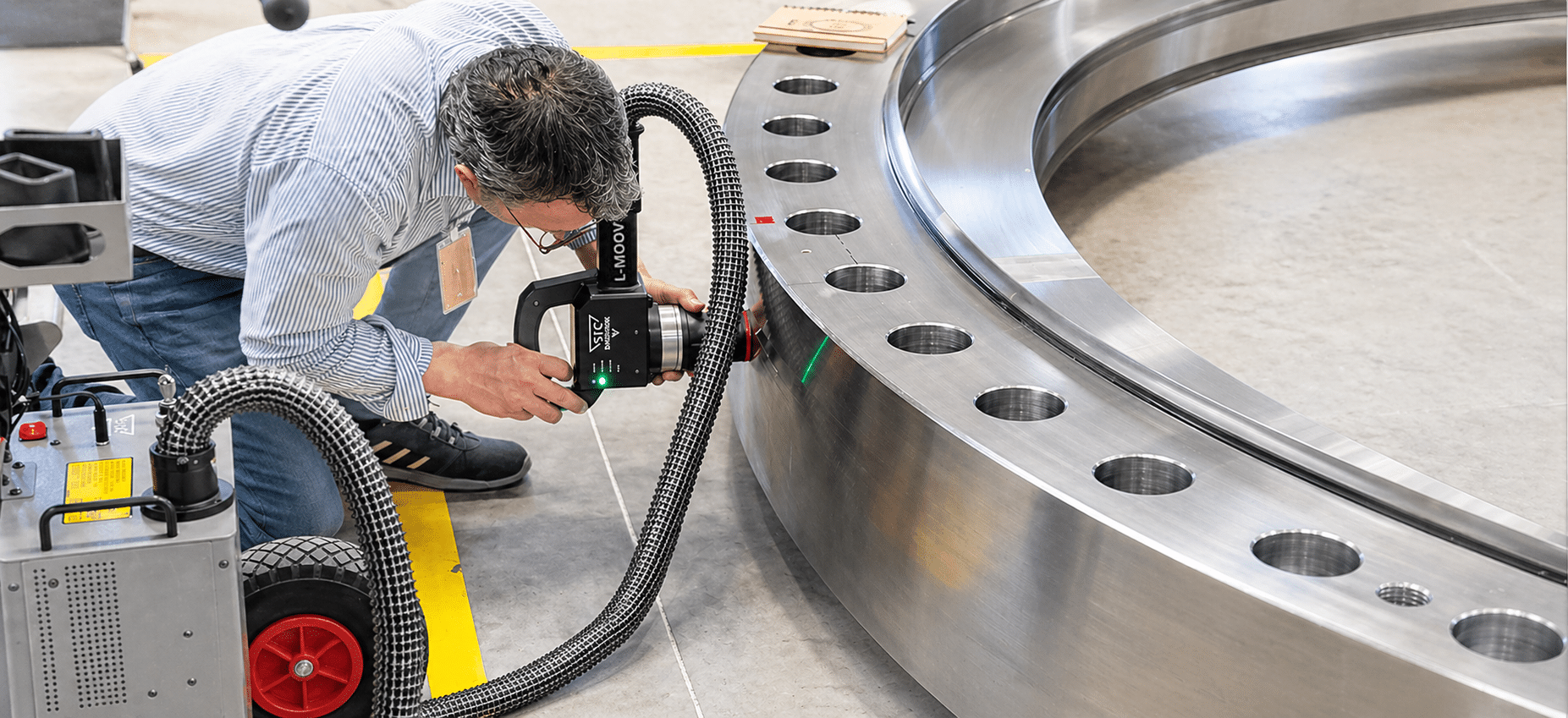
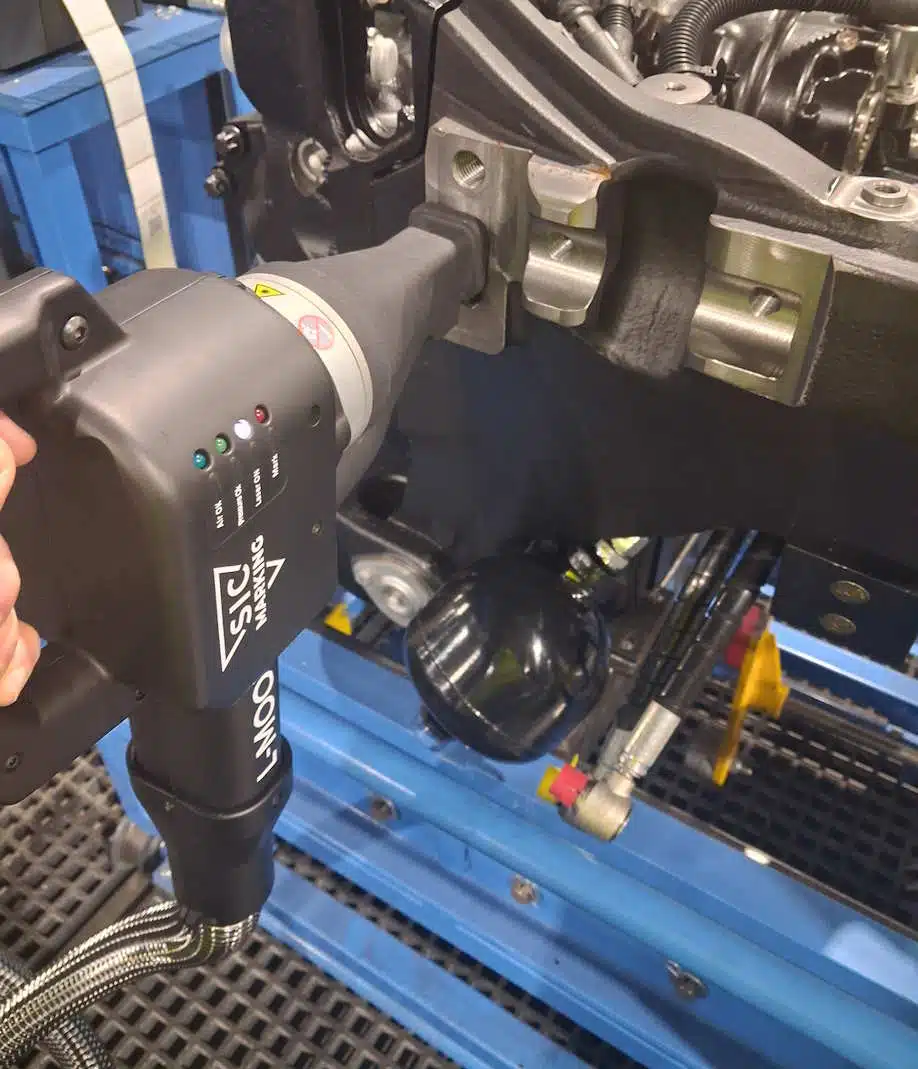
The L-Moov from SIC Marking is a Class 1 (Fully Safe) handheld laser marking system that can apply high contrast permanent marks onto the engine in seconds
Our product reference
Take a look at other case studies
Would you like to know more?
Contact us!