Case study
Premium car manufacturer
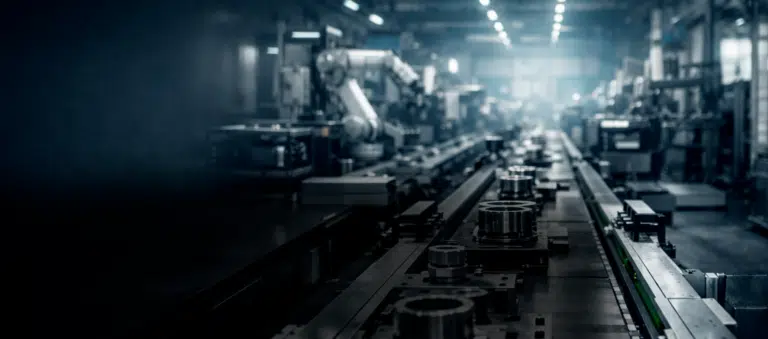
Body shell (Body in White) in untreated steel, assembly line producing 120 vehicles a day (Germany)
Where the existing process fell short
Manually applied adhesive labels: €80k a year in labour, and the entire body shell scrapped if a label came loose or could no longer be read
Laser: high contrast on steel
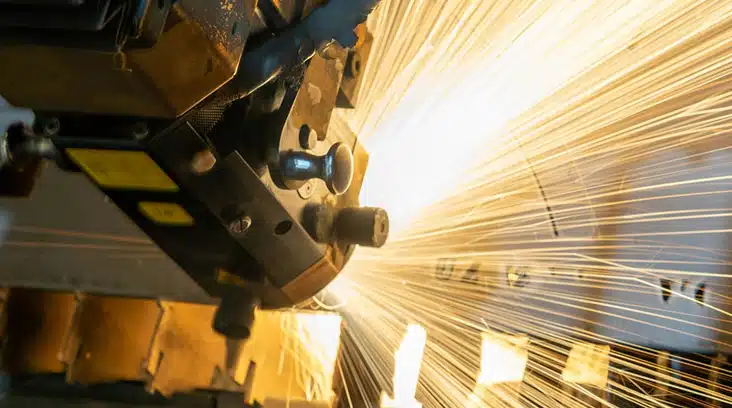
Laser annealing marking: no material removal whatsoever, fully compatible with subsequent painting
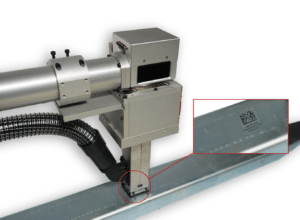
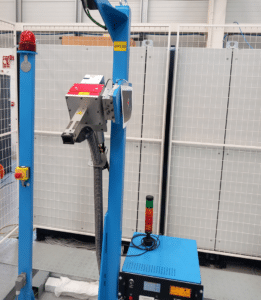
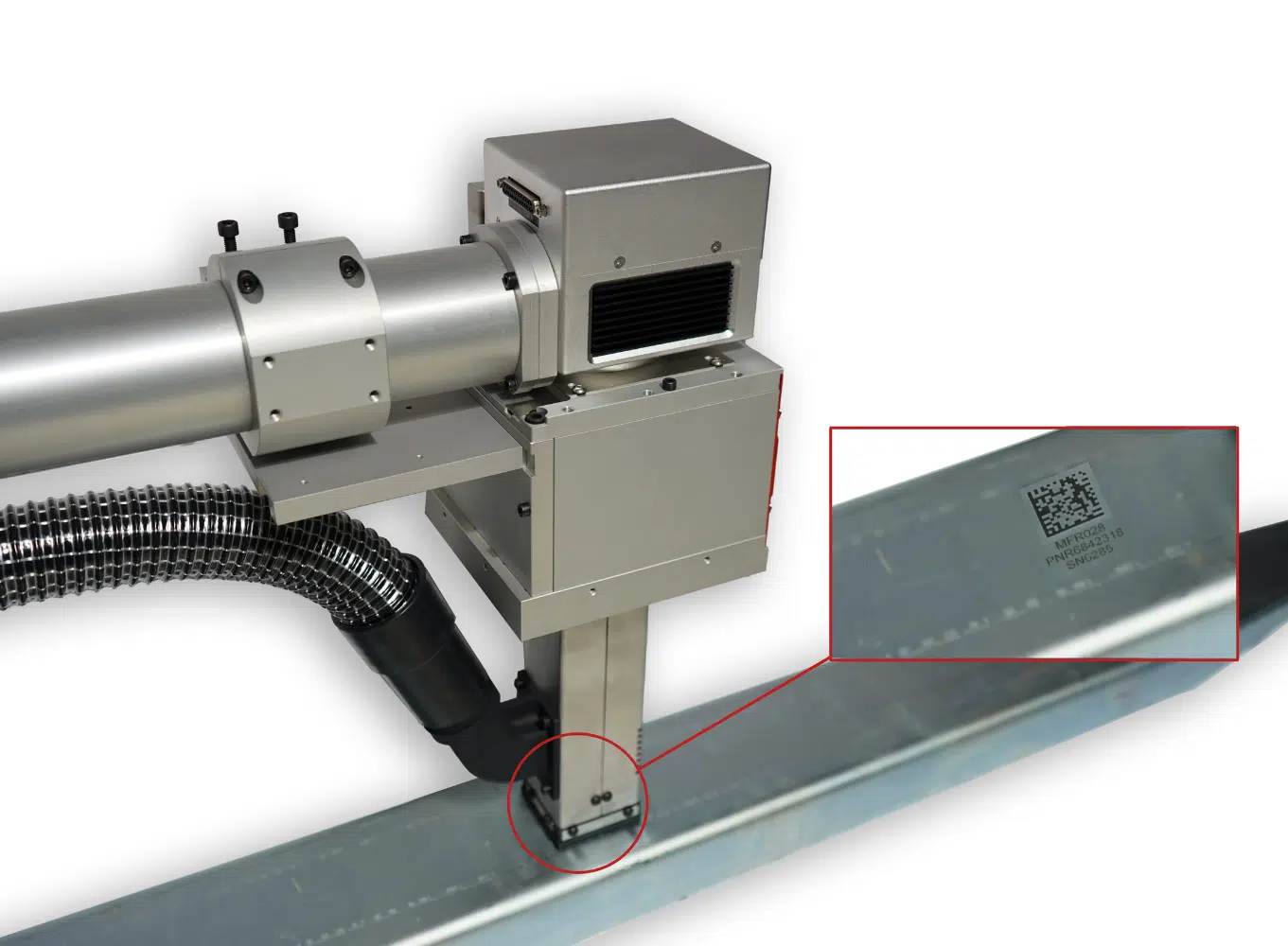
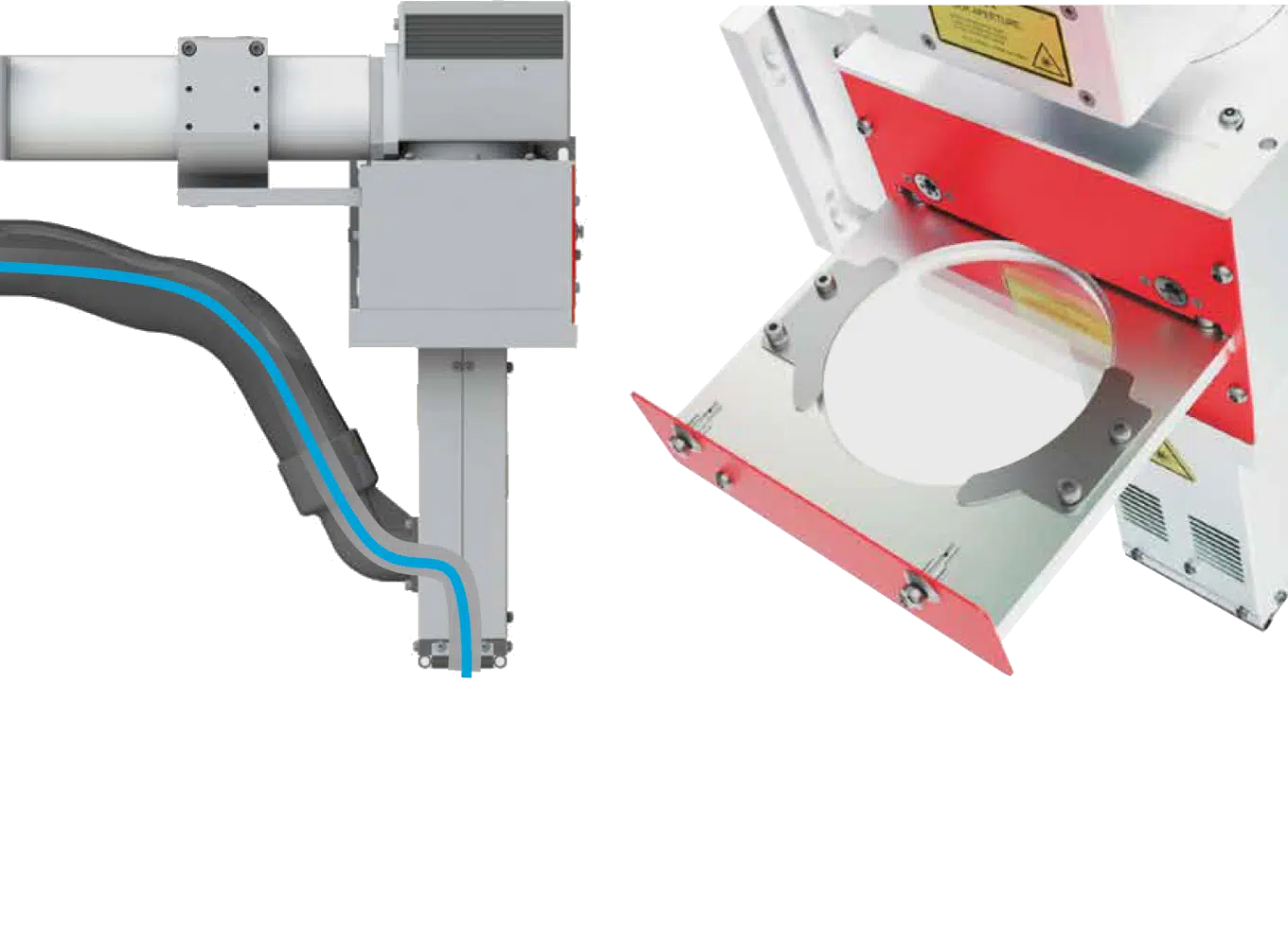
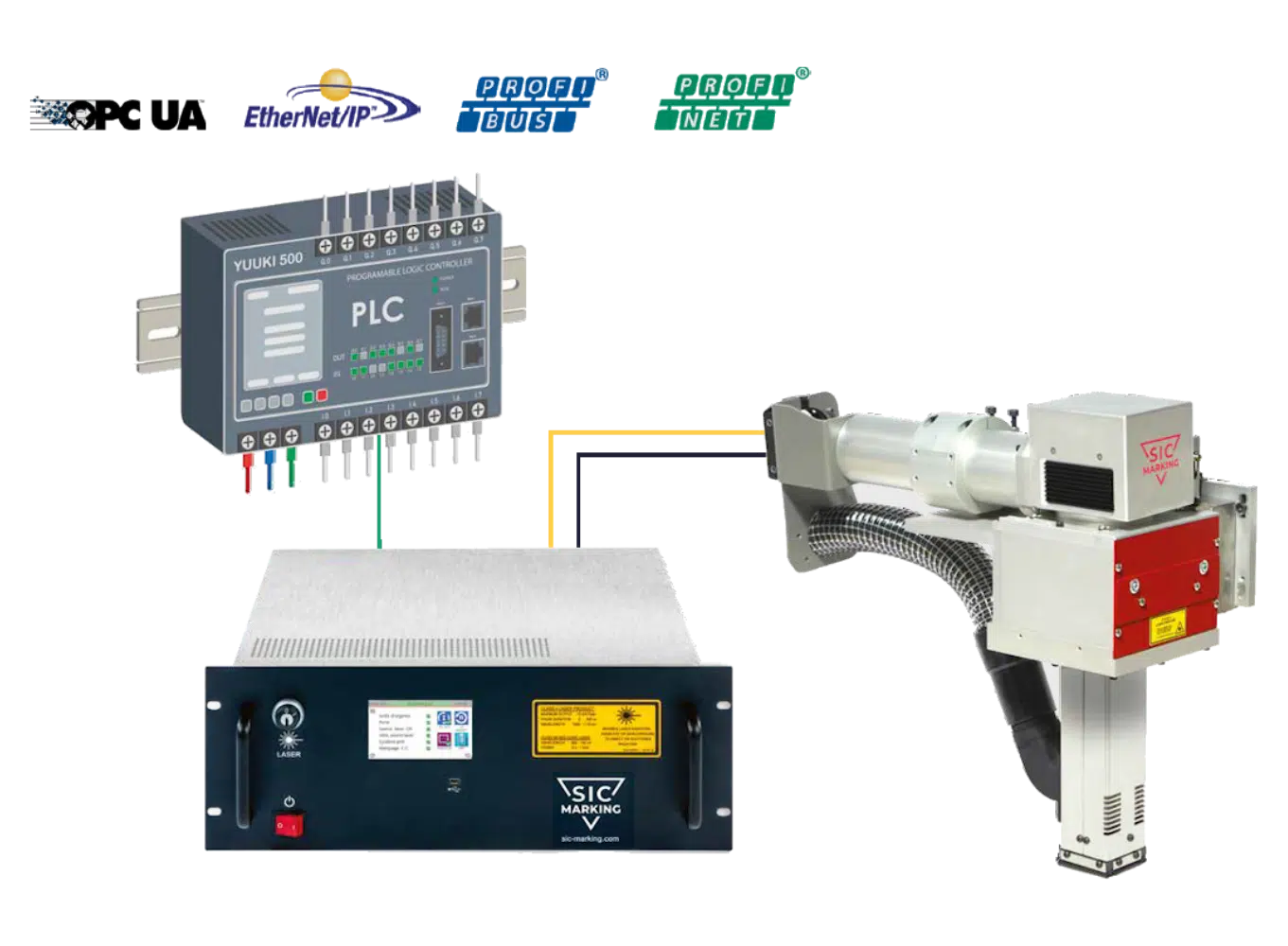
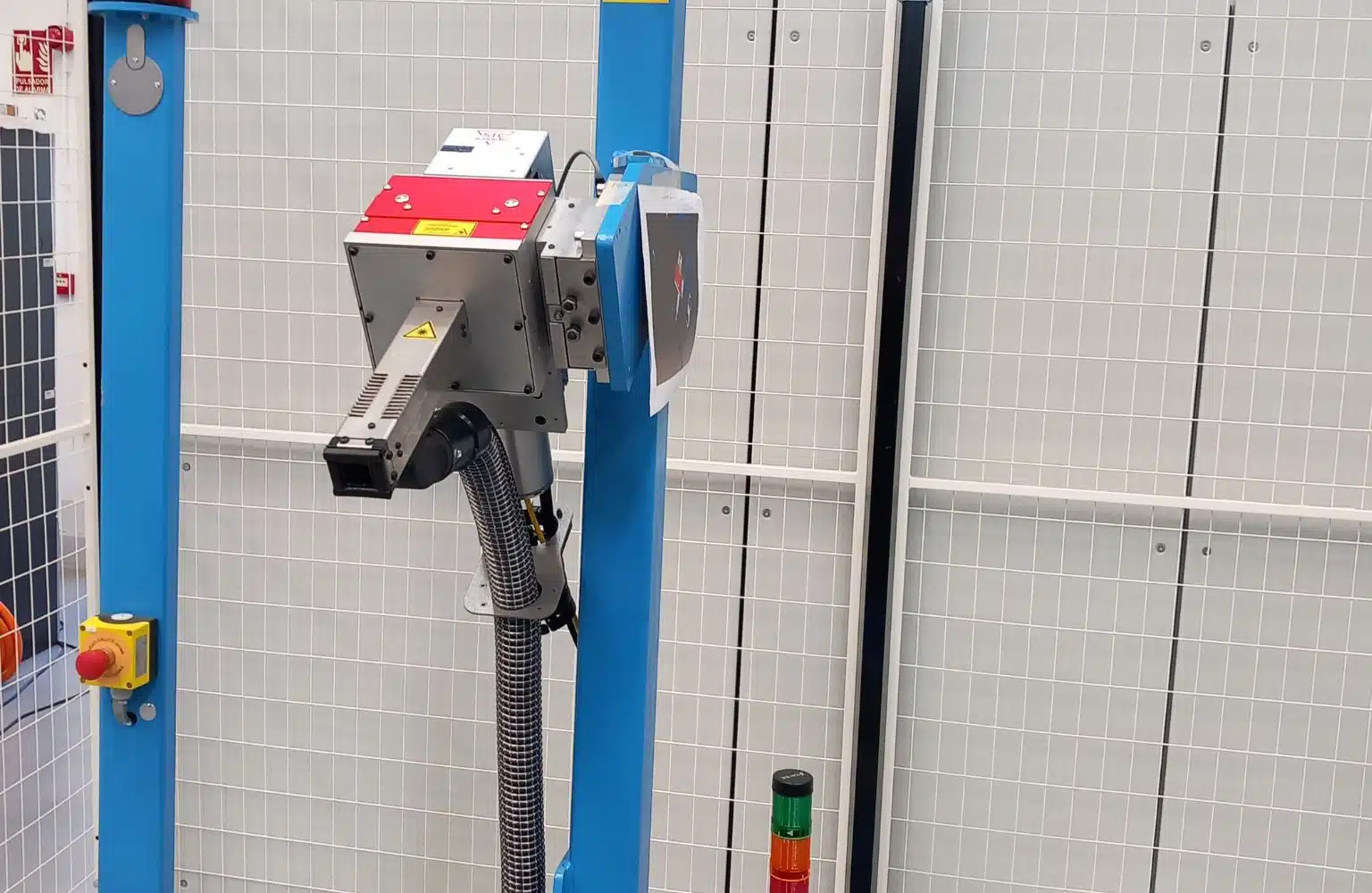
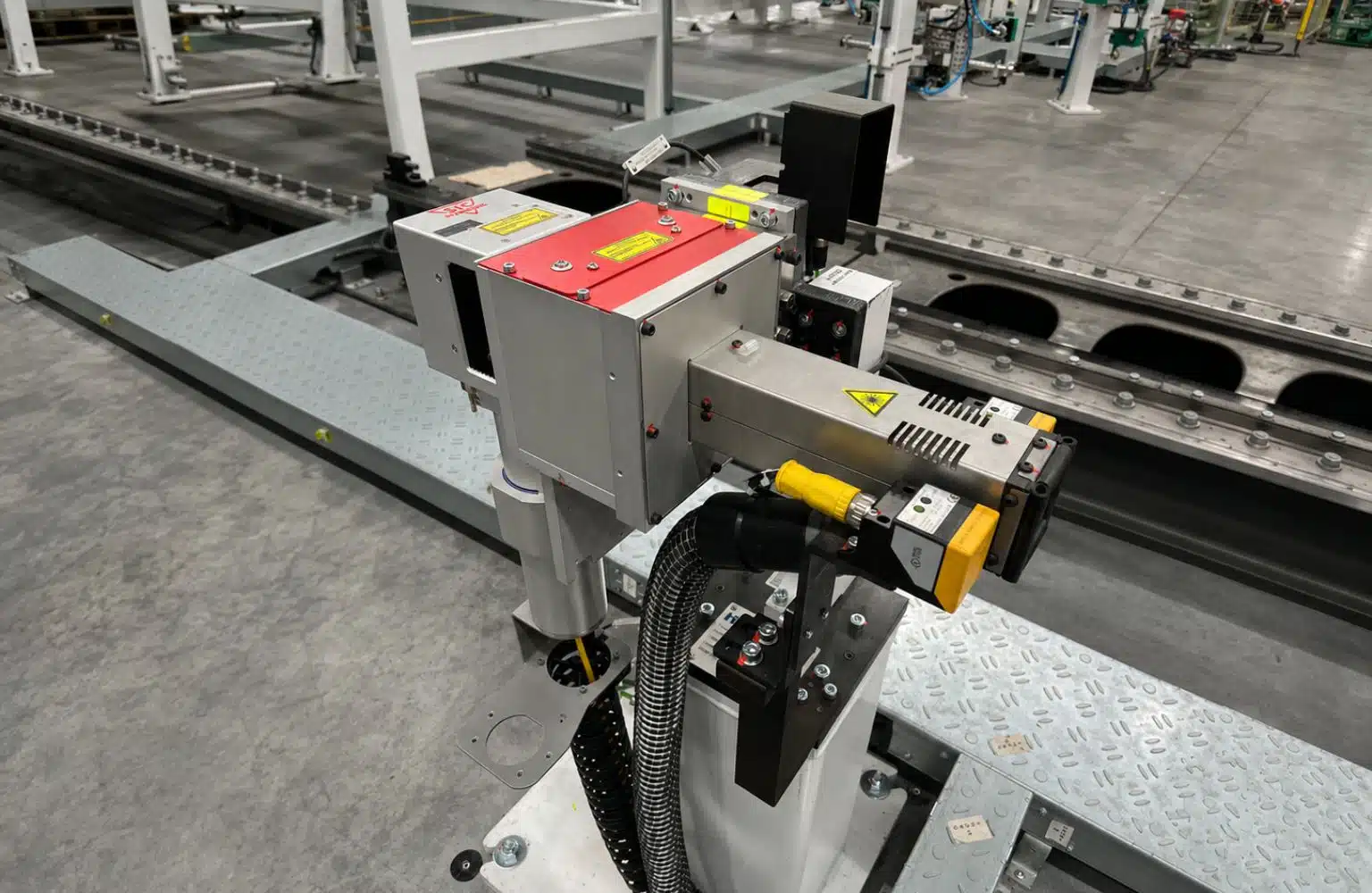
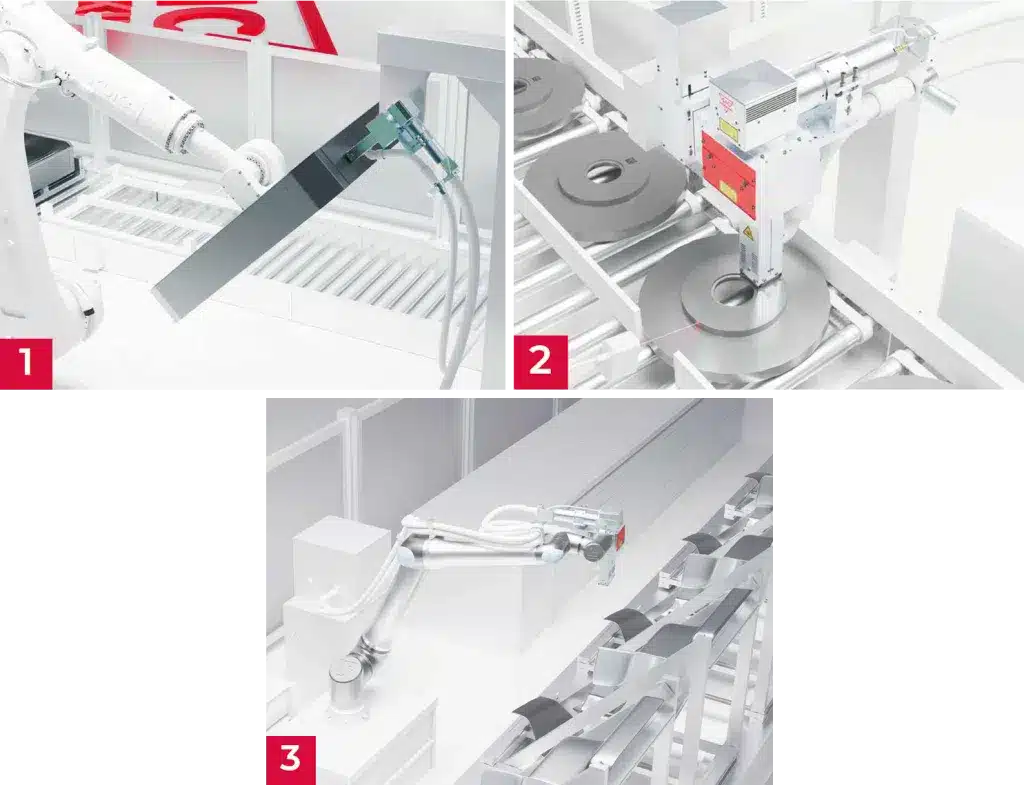
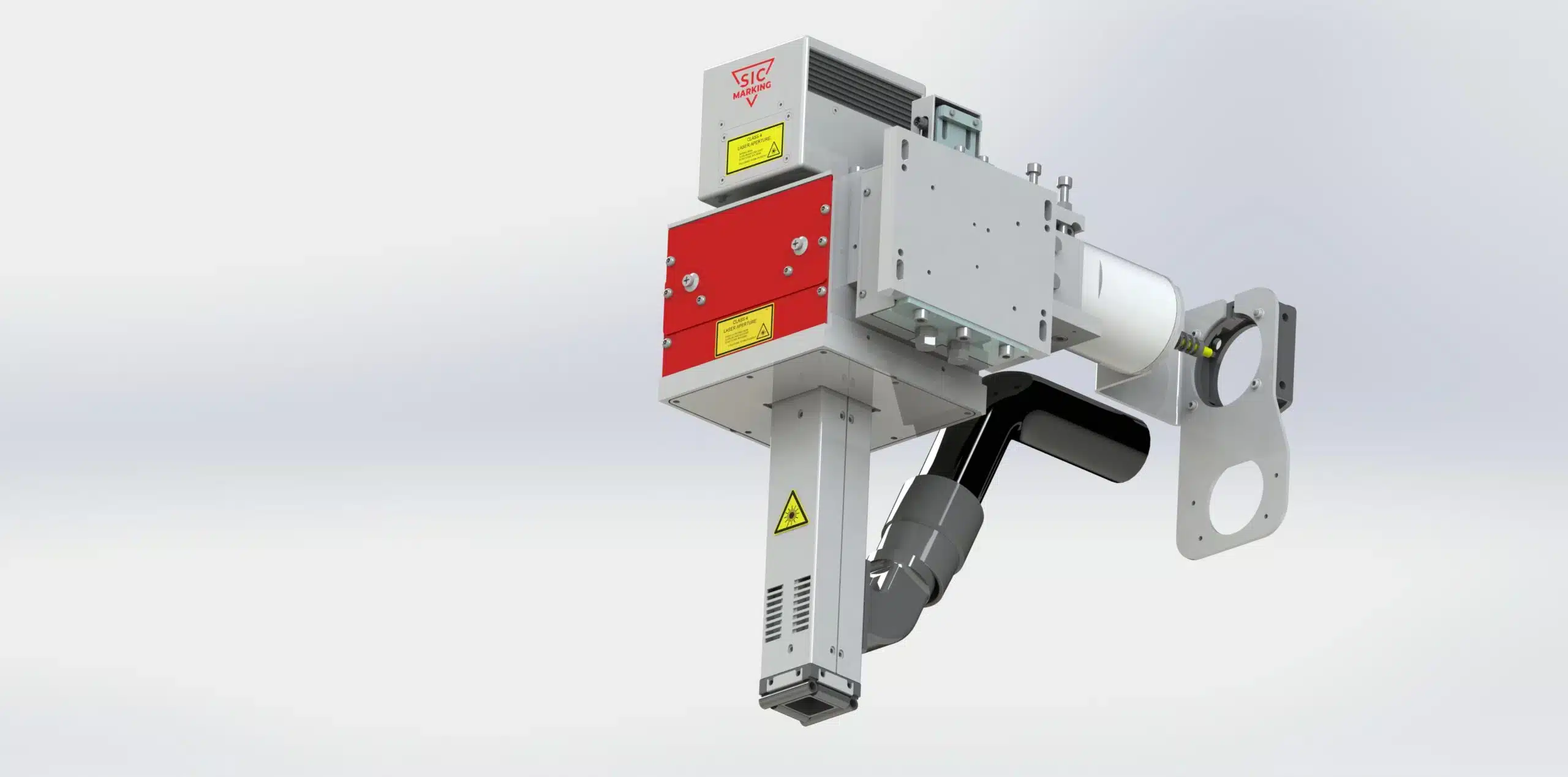
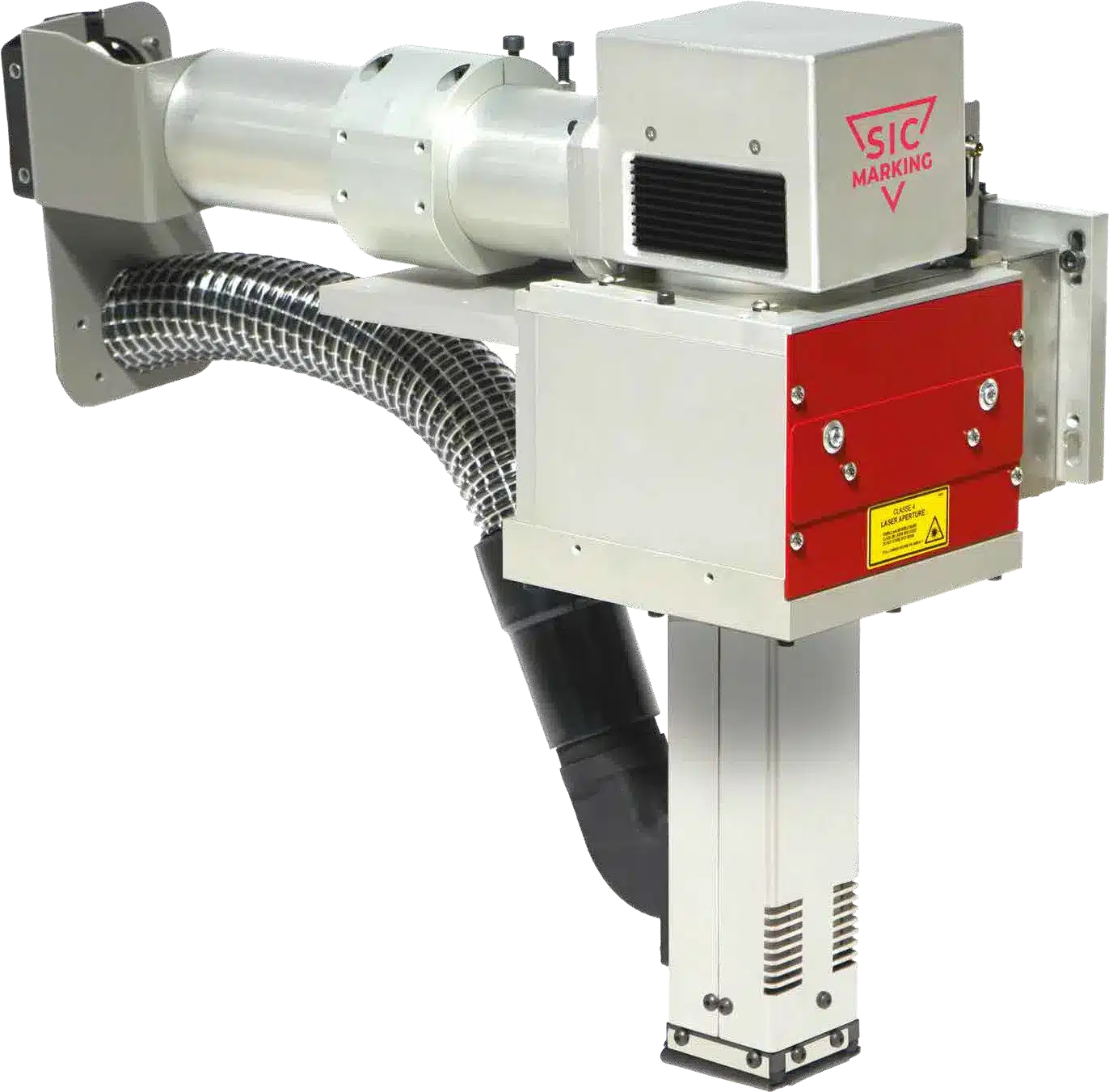
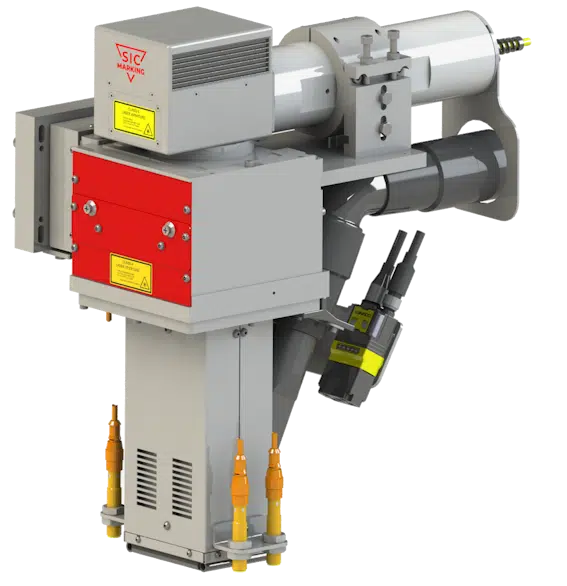
Compact in-line integration
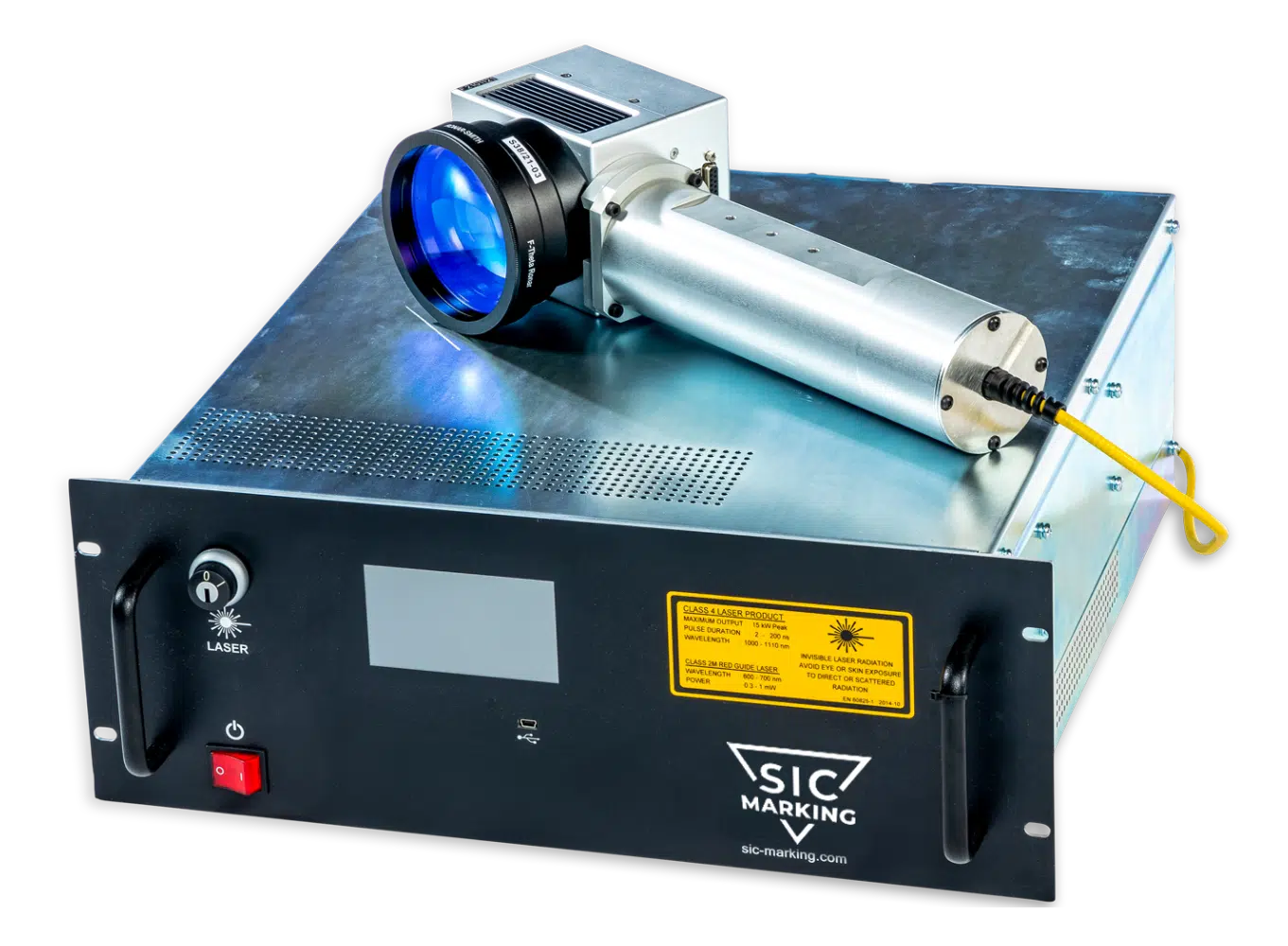
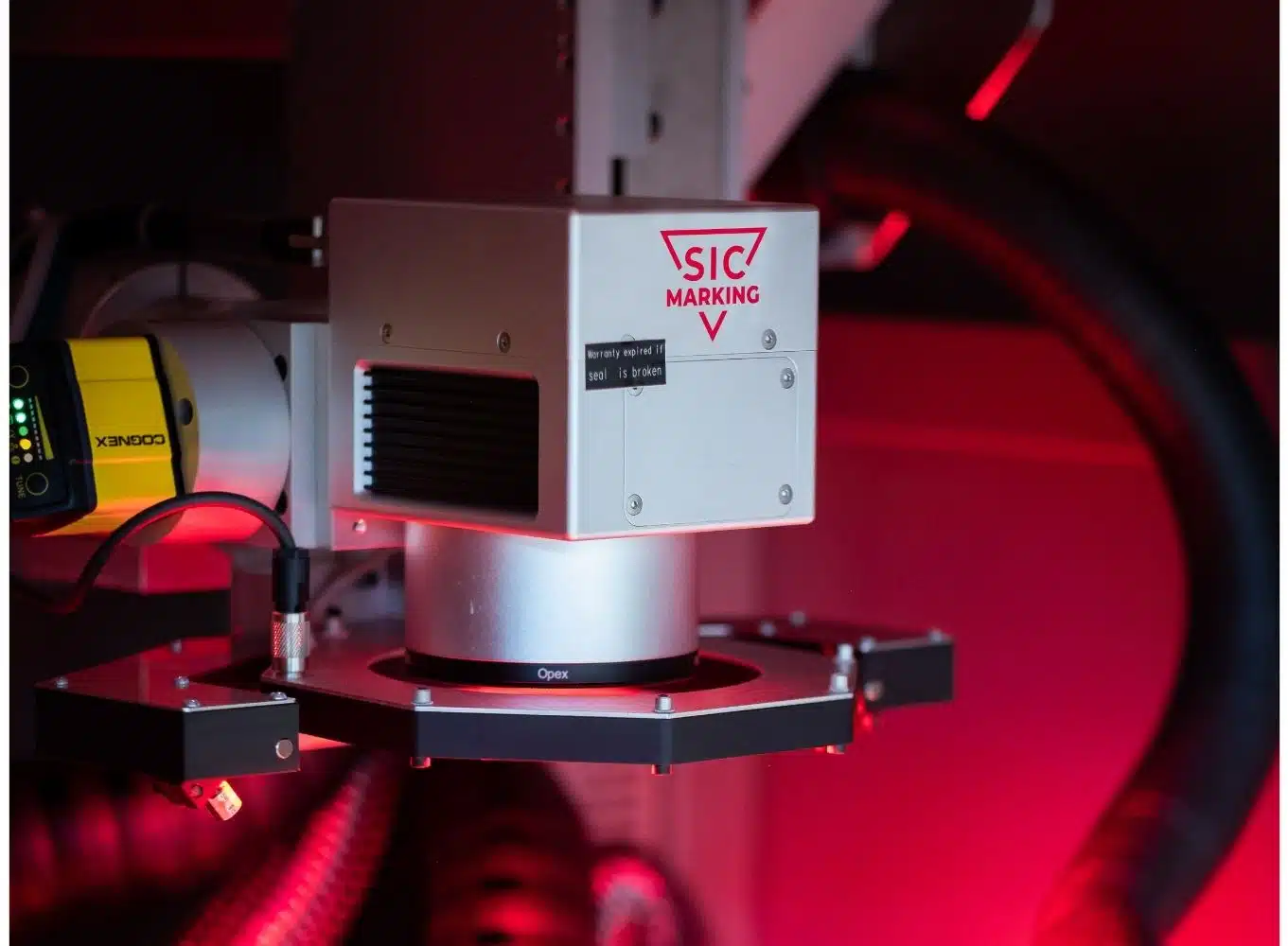
50W FIT fibre laser, 30 × 30 mm marking field, line rate compatible with the assembly line cycle time
On the Body in White line at Mercedes, each body shell had to carry an identification label for the whole of the assembly sequence, from the first welded component right through to the point where the finished shell entered the paint shop. At that stage the label was removed prior to painting. The method depended on a dedicated operator whose sole task was to stick the labels on by hand, costing around 80,000 euros a year.
The true risk, though, lay in the consequences of a failure. Whenever a label came away or could no longer be read mid-production, the partly assembled shell lost its identification. As there was no dependable means of re-establishing traceability at that point, the shell had to be scrapped. Considering what a Body in White is worth late in the assembly process, each incident carried a considerable financial impact, well above the cost of the label itself.
Mercedes required a marking method that would remain legible throughout the assembly process, stand up to handling and shop-floor conditions, and be compatible with the painting operation further downstream.
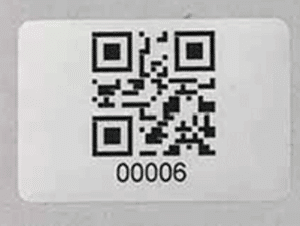
Laser marking on the Body in White shell had to reconcile two seemingly conflicting requirements: producing sufficient contrast for dependable reading across the whole assembly sequence, whilst removing no material and leaving the surface roughness unaltered.
The constraint carried on further down the process. Once the shell had been assembled and identified, it went through to the paint shop. There, the marking needed to disappear beneath the coats of paint without a trace. That excluded any process producing relief, an indentation or a micro-deformation liable to show through the final finish.
With output at 120 vehicles a day, the marking operation also had to slot into the existing cycle time, without any buffer stock or manual intervention, and with sufficient repeatability to hold the same legibility on every shell with no operator adjustment.
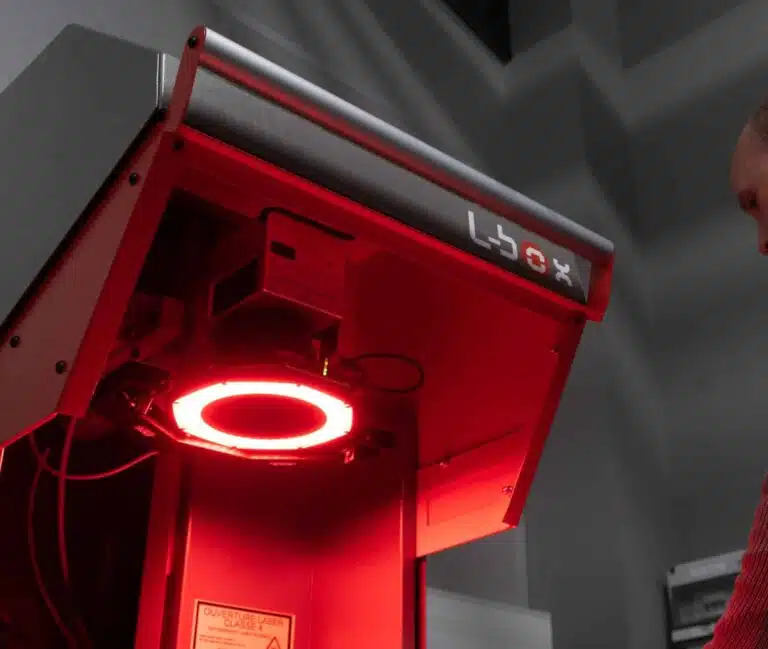
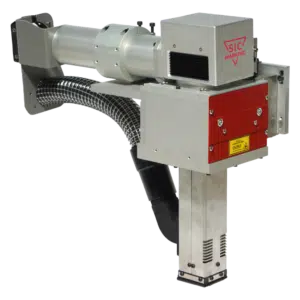
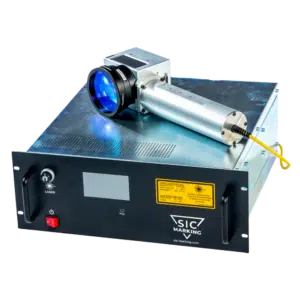
SIC MARKING put forward a 50W FIT fibre laser with a standard 30 × 30 mm marking field, matched to the integration constraints on the Mercedes line. The FIT platform was chosen for its compactness and its suitability for integration into automated production environments.
The chosen marking mode is annealing. Instead of engraving or ablating the surface of the steel, the laser applies controlled heat to the material, which generates a visible oxide layer below the surface. The resulting colour change (typically dark and strongly contrasting) provides legibility with no material removed at all. Since the surface stays intact, the corrosion resistance of the steel is retained.
The approach answered both critical constraints head-on: the mark is permanent and tolerates mechanical contact during assembly handling, and it introduces no surface irregularity that might compromise the paint process. The marking is simply covered in paint together with the rest of the shell, requiring neither removal nor any extra preparation.
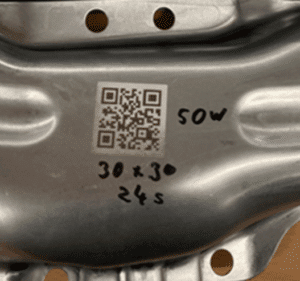
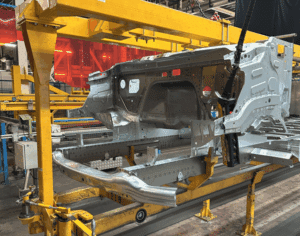
Swapping adhesive labels for permanent laser marking allowed Mercedes to eliminate the principal cause of traceability failure on the Body in White line. The mark can neither come away, nor deteriorate, nor become illegible over the course of the assembly sequence. The risk of a partly assembled shell being scrapped through loss of identification has been removed altogether.
The operator assigned to sticking on labels, at a cost of €80k a year, is no longer required for that task. Laser marking operates with no manual intervention, inside the existing production cycle time.
The laser annealing marking kept the corrosion resistance of the untreated steel intact, a non-negotiable requirement for Body in White components before cathodic electrocoating and painting. The mark is painted over without any interference with the finish, which makes it entirely compatible with the downstream process.
Our solutions
Discover our products
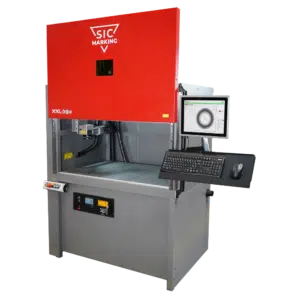
Discover our flagship laser, dot peen and scribing equipment, from portable markers and in-line integrable modules to standalone marking stations.

Would you like to know more?
Get in touch!