case study

Regulatory traceability of safety valves, from material heat to finished part
Our marking solutions deliver complete traceability: from the raw bar stock through to the machined valve body.
Marking technology engineered for the demands of safety valves
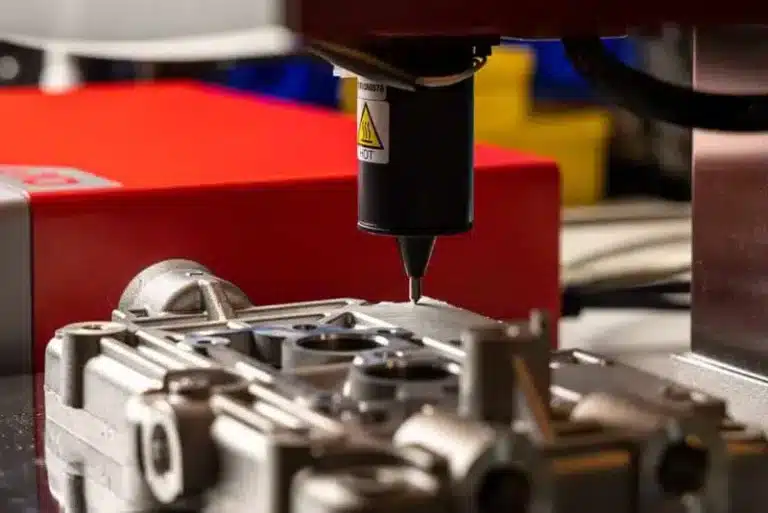
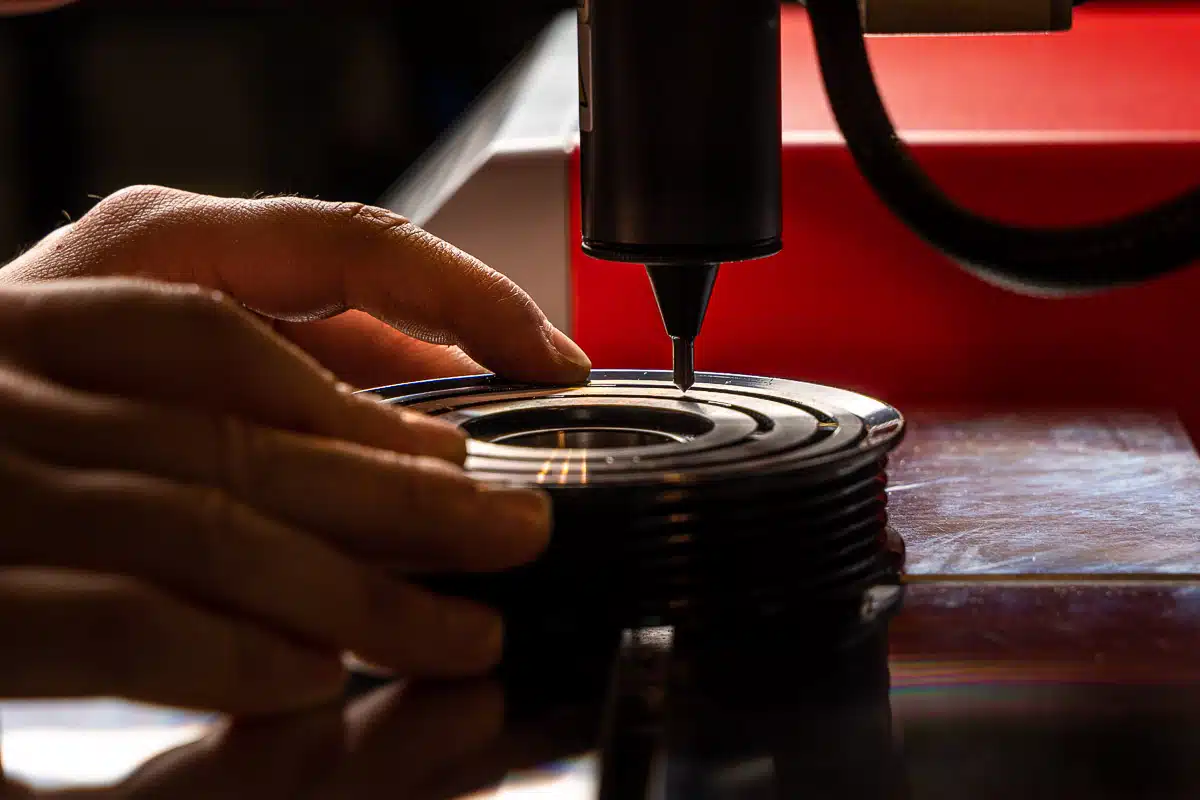
Rounded parts, small components, post-paint durability: our dot peen marking stations and our laser marking adapt to any part geometry.

An industrial marking machine connected to a modern ERP system
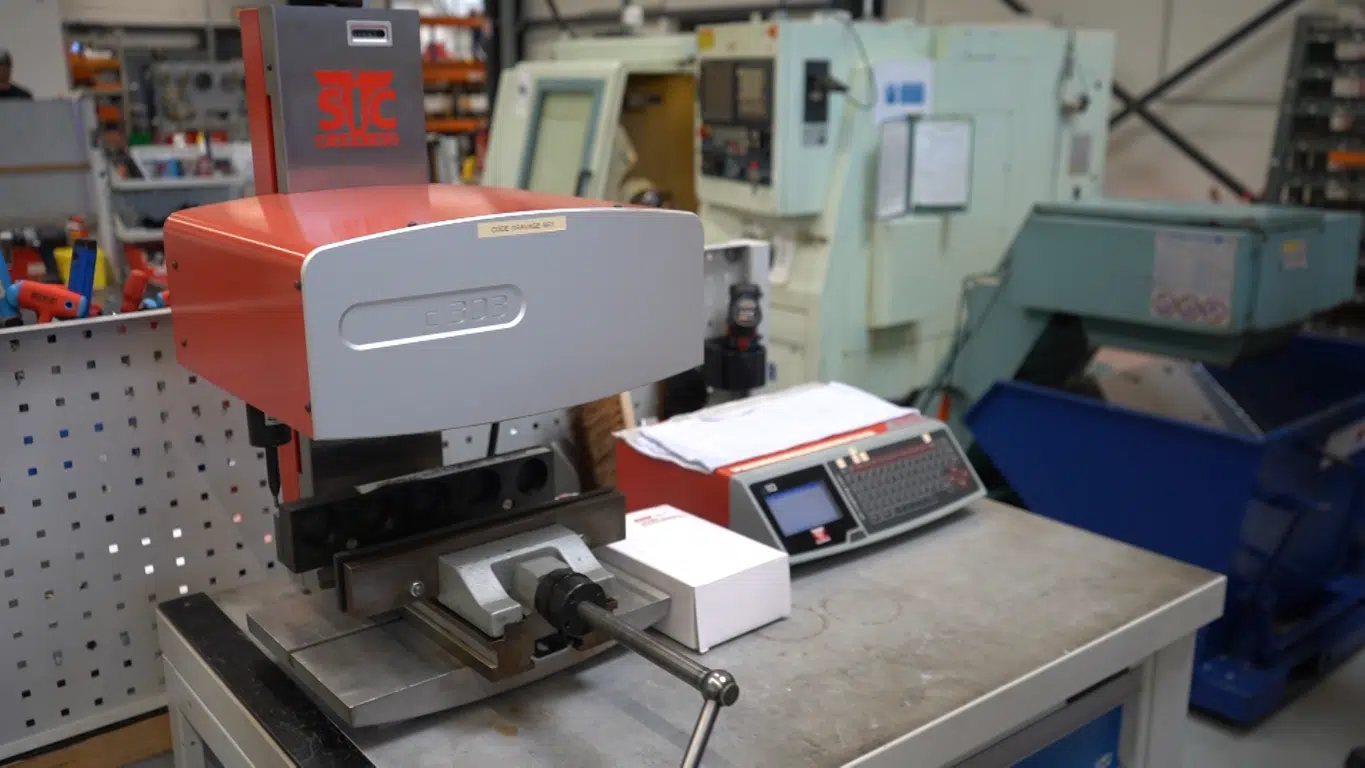
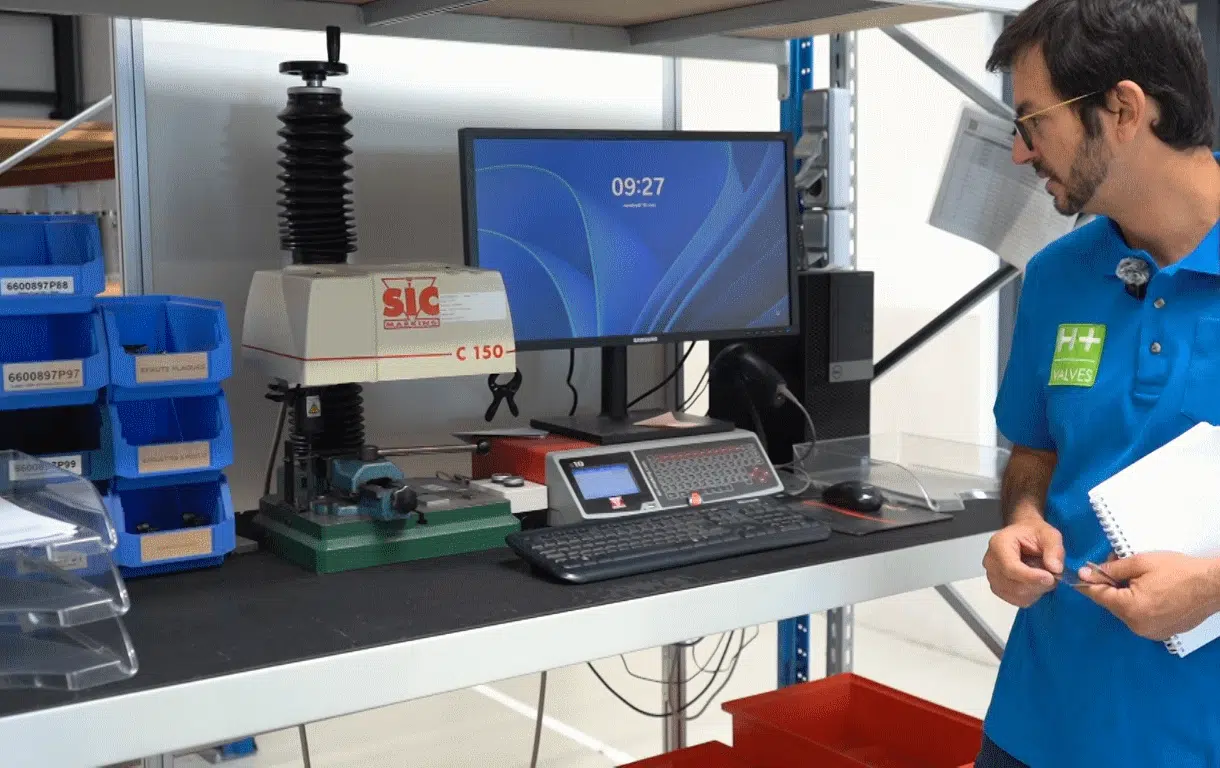
A station installed in 2001 is still in operation today, having undergone a simple controller upgrade to connect to the ERP system deployed in 2023.

Material Identification and Traceability of Bars Upon Receipt
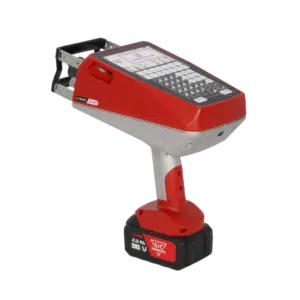
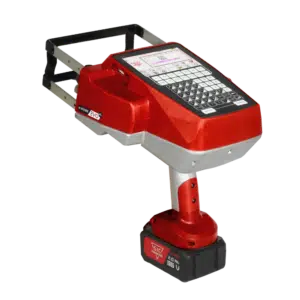
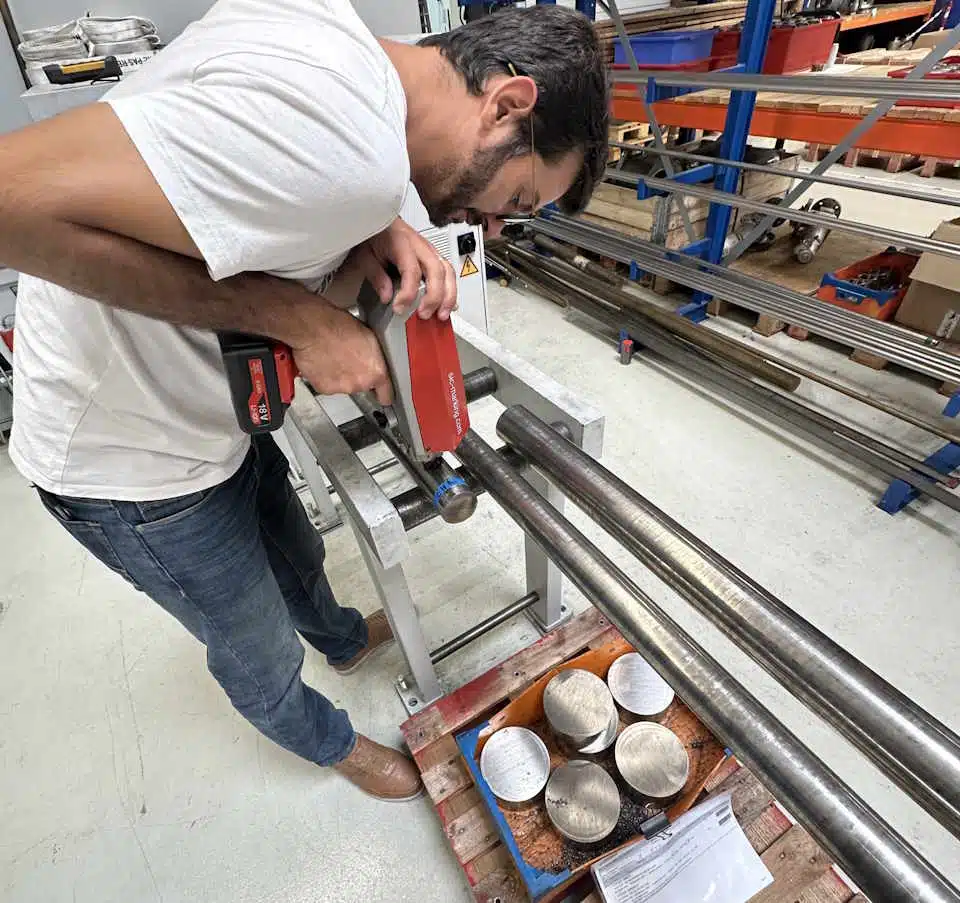
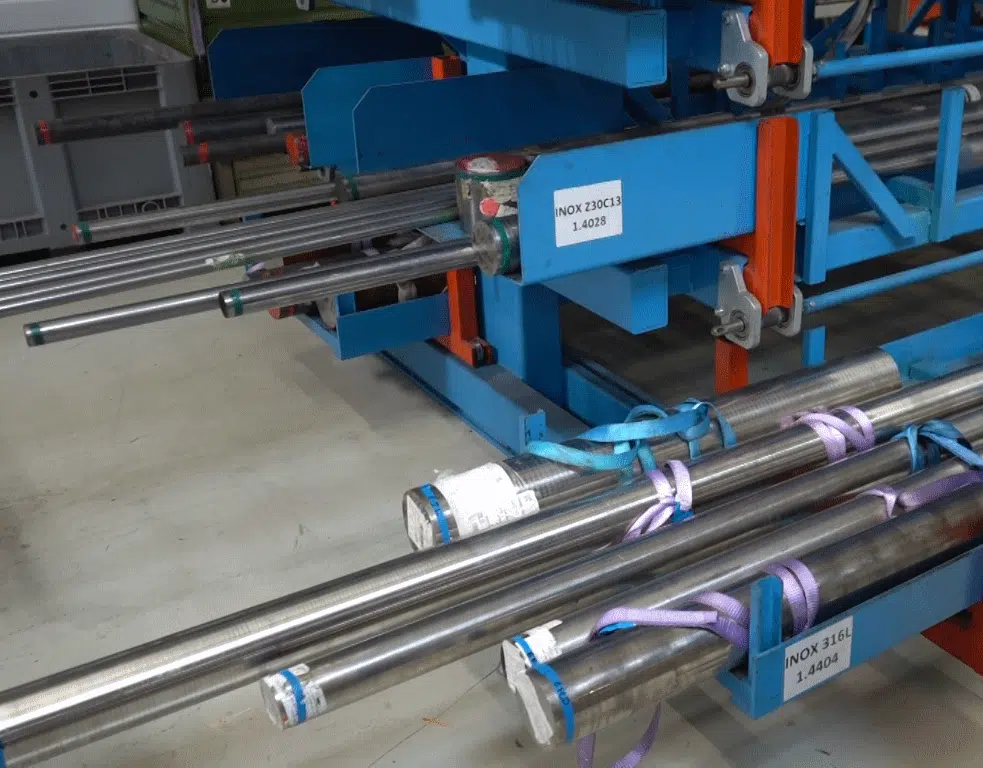
Each batch of raw material is identified with the e-MARK upon receipt, ensuring seamless traceability throughout the entire production chain.
At H+ Valve, the safety valve is a regulated item of pressure equipment whose identification determines when it can be commissioned. A valve without its ID nameplate cannot ship. The company must be able to provide its customers with the material, mechanical, and chemical certificates for every pressure-retaining component, which means tracking each part from incoming raw material through to the finished product.
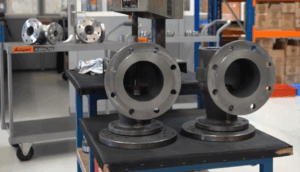
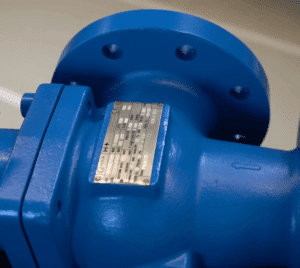
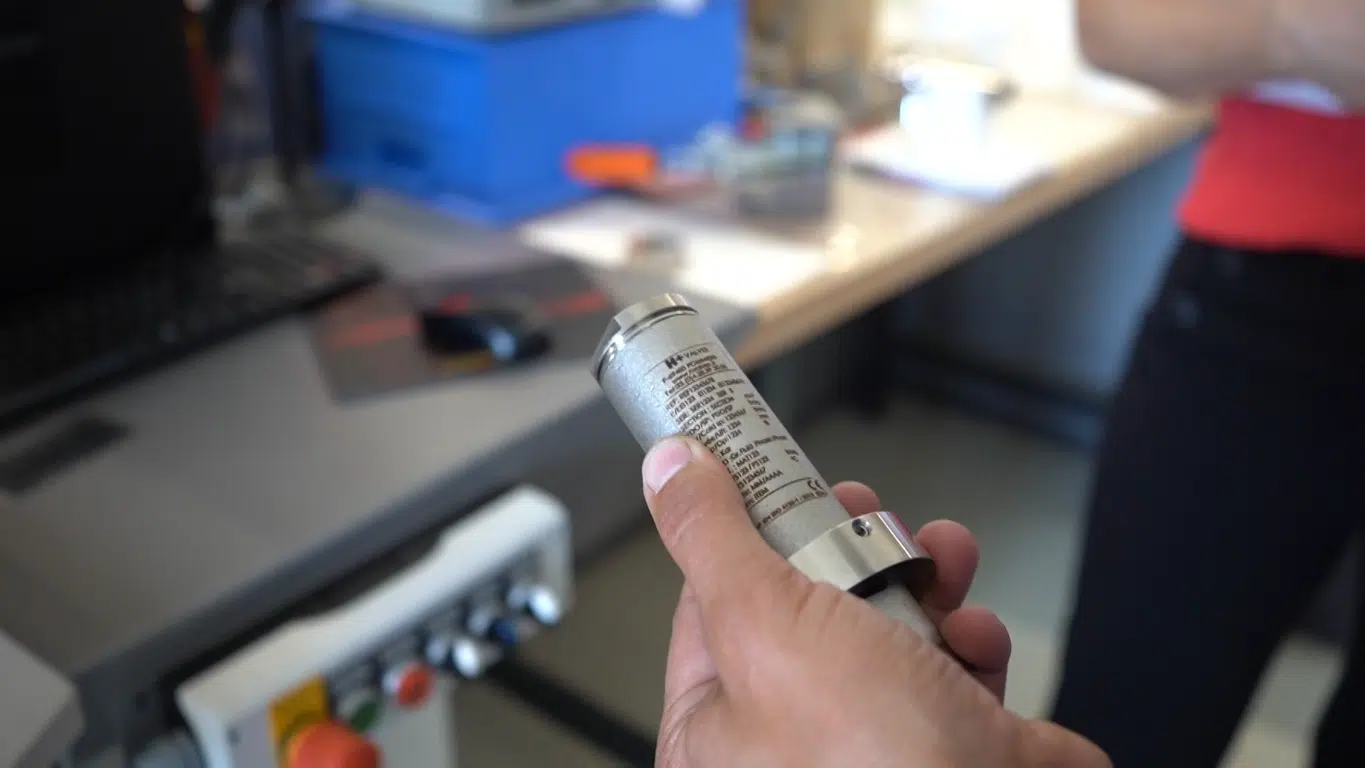
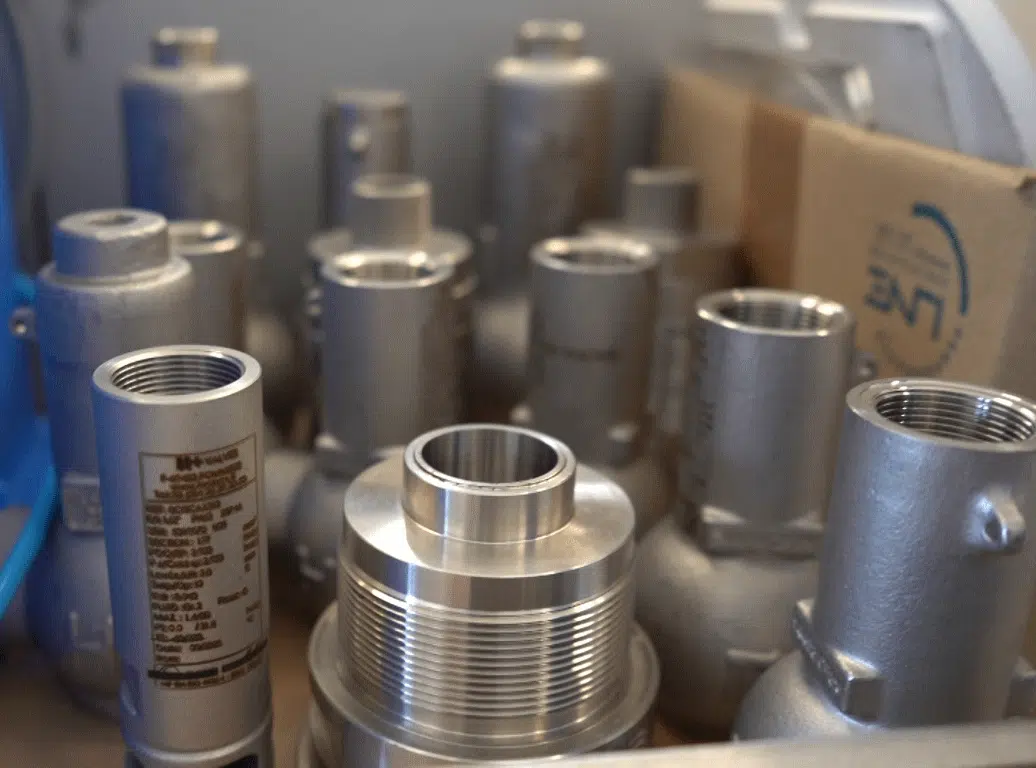
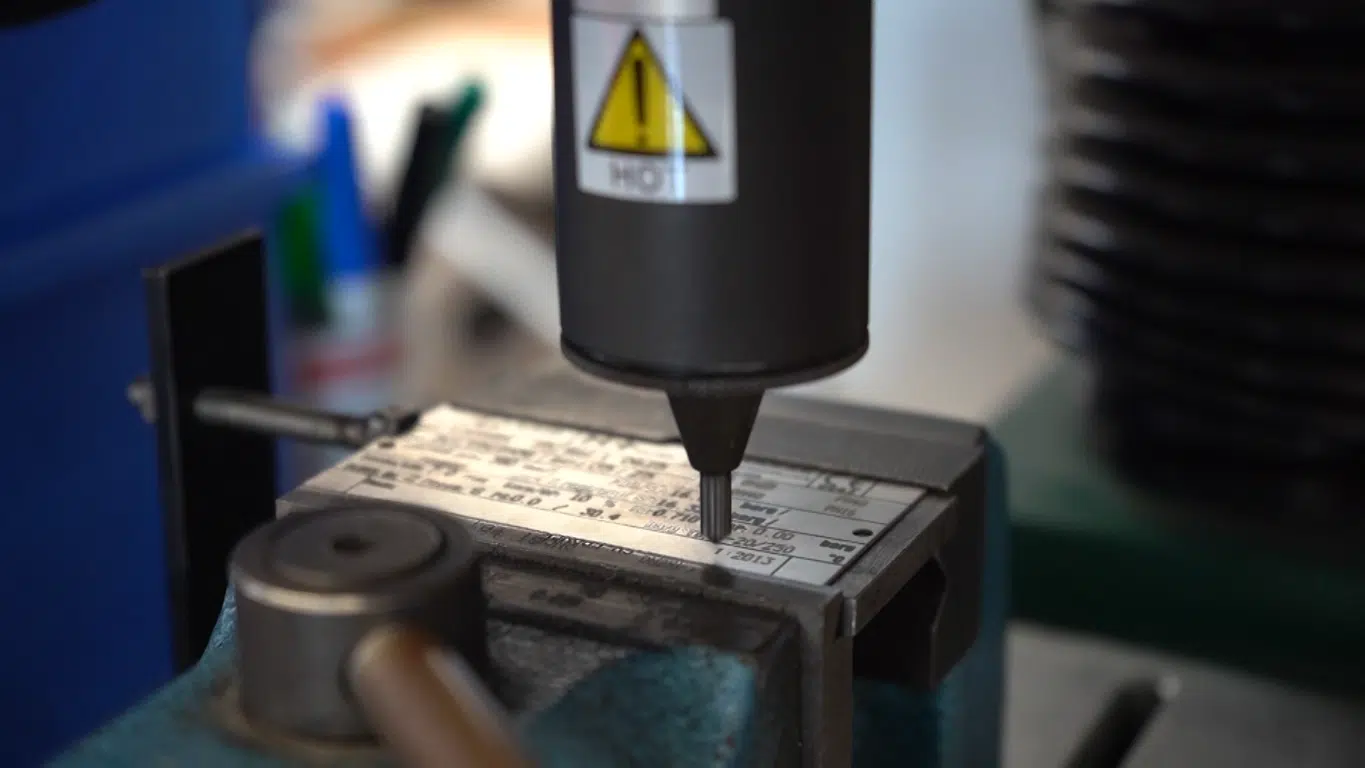
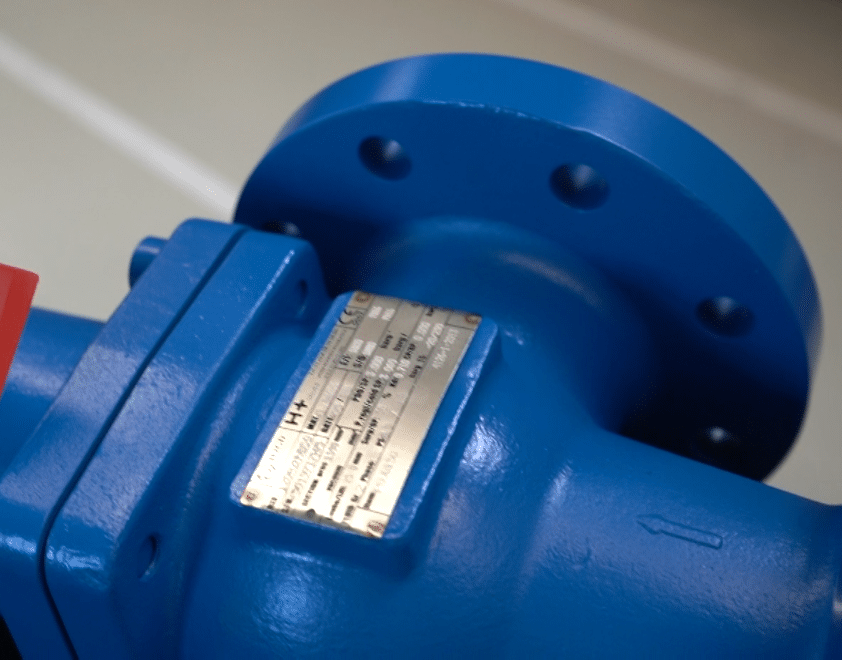
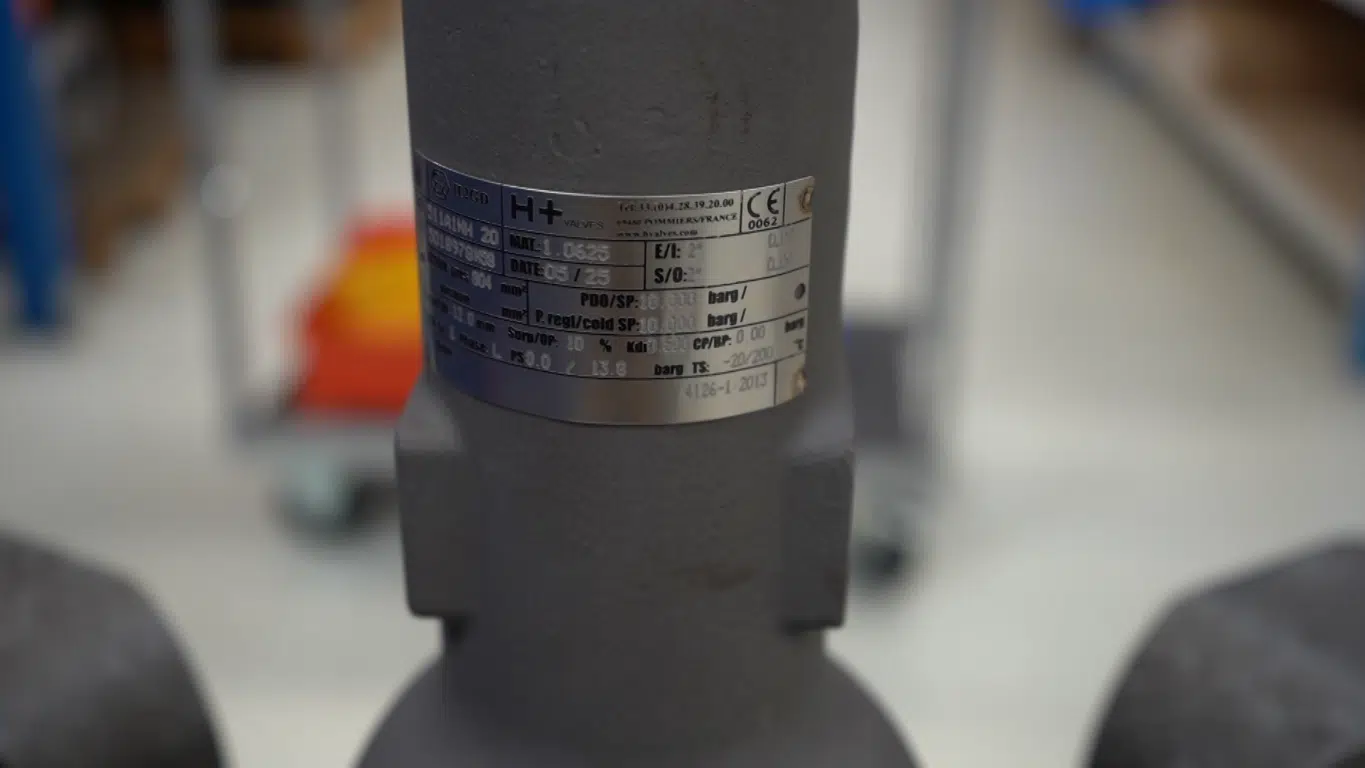
This requirement plays out across very different parts: valve bodies from casting, internal components, shop-machined parts, raw material bar stock, and manufacturer nameplates. The nameplates carry the set-pressure data, the material, the service fluid, and the regulatory information required for the application.
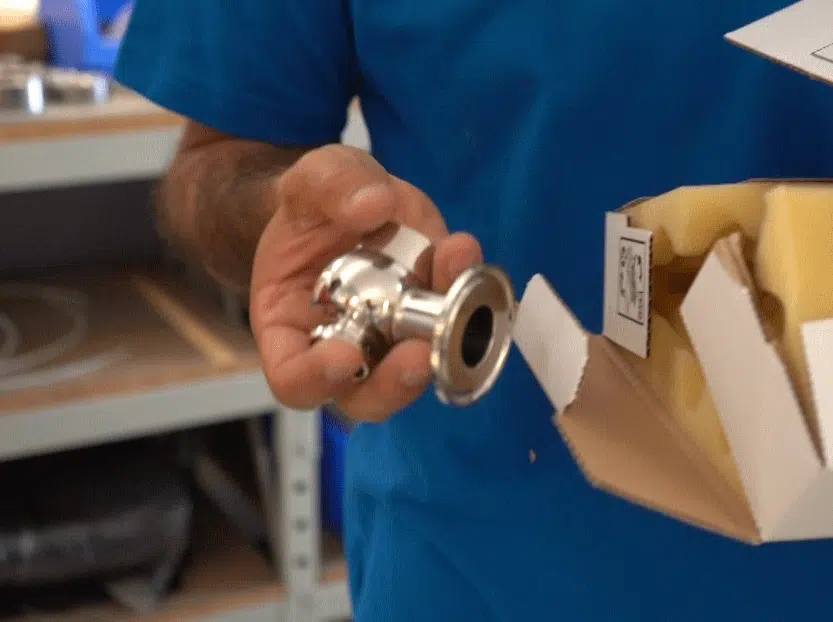
One special case: valves bound for the pharmaceutical sector, with a mirror-polished body, rule out any use of welded nameplates. Welds create retention areas that are hard to clean, incompatible with the hygiene standards these applications demand.
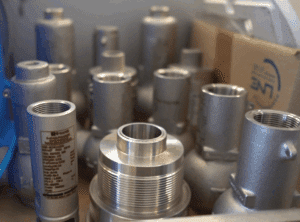
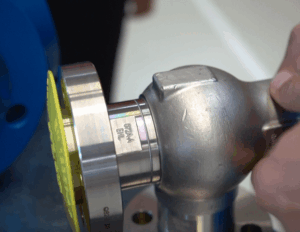
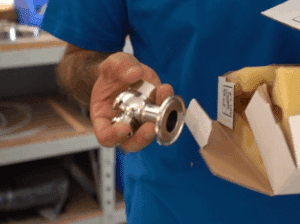
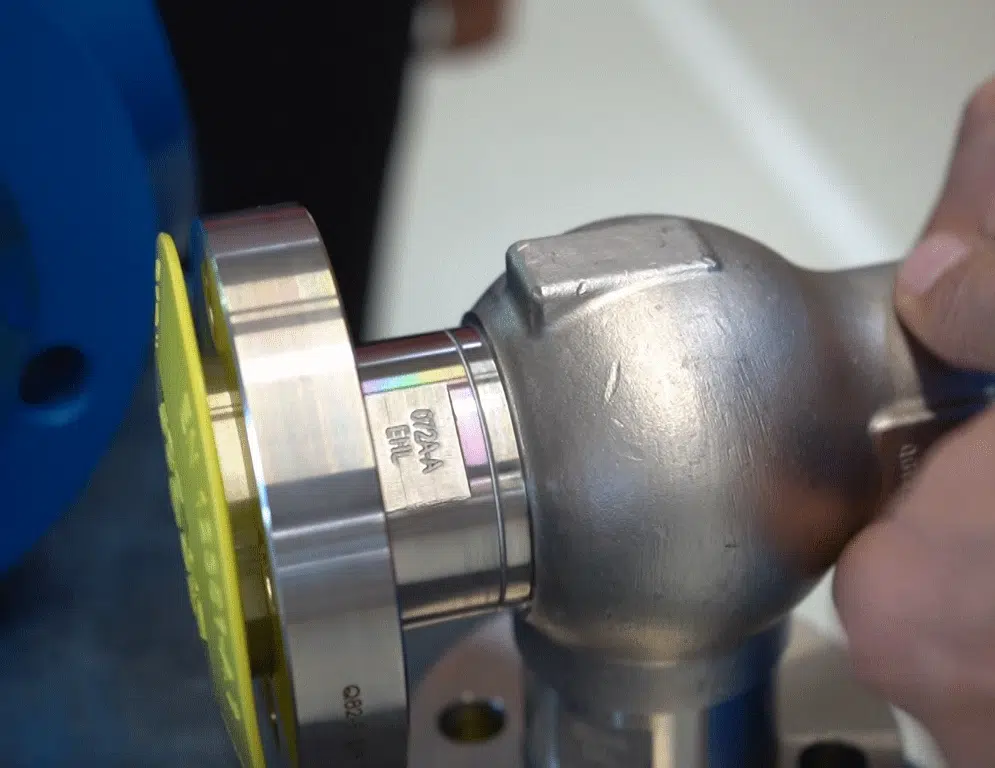
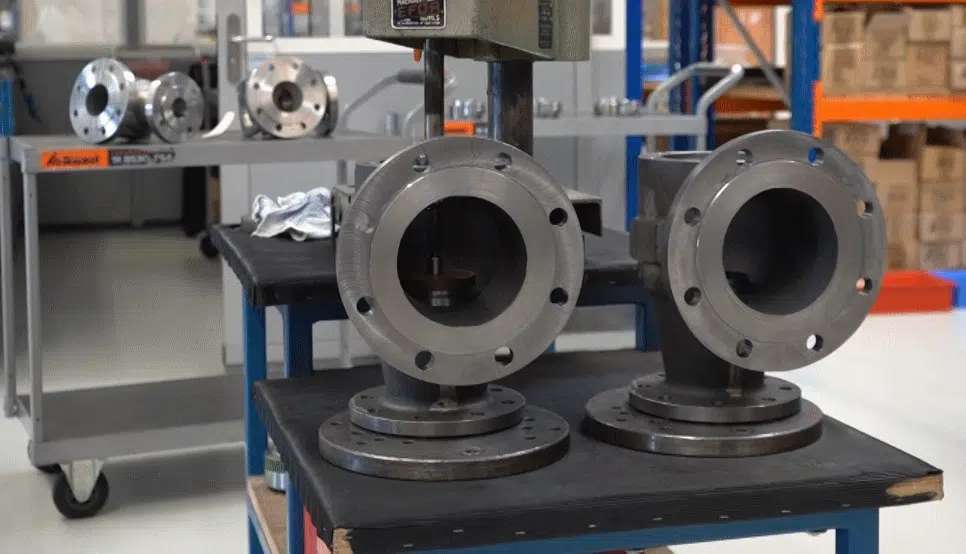
The challenge doesn’t come down to a single part, but to the range of surfaces to be marked. Valve bodies are rounded and call for controlled marking on curved diameters. Internal components are small. Manufacturer nameplates, for their part, require legible marking that is durable. That same variety shows up in the jigs and fixtures needed to hold each part in position, some of which are 3D-printed to fit the different valve sizes.
Painting adds a long-term durability requirement. The nameplates are applied at the start of production, before assembly and before painting, then protected during the operation with a paint mask; some markings must stay legible once the process is complete.
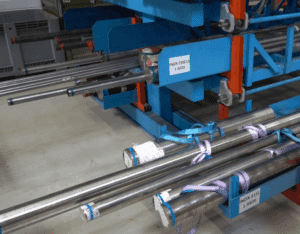
For incoming material, finally, identification relied on manual stamping of the number and the three-letter material code on bars ranging from 1 to 6 meters — a slow, unreliable operation flagged as an area for improvement.
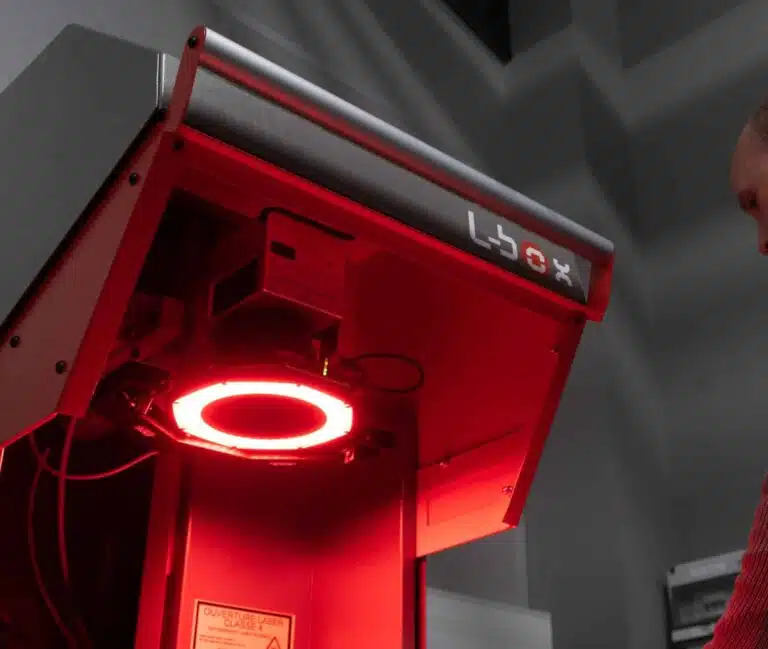
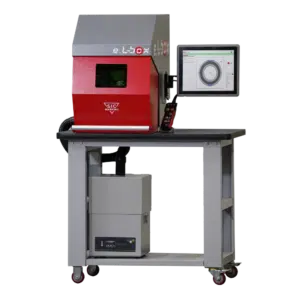
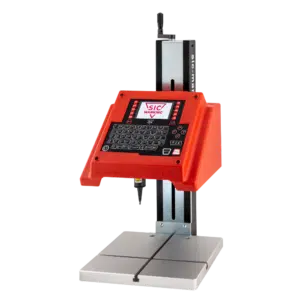
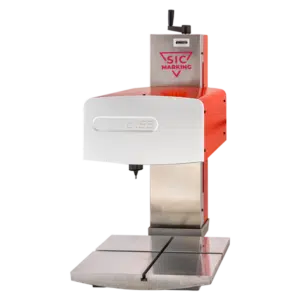
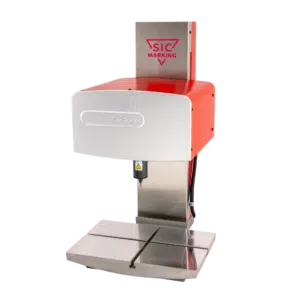
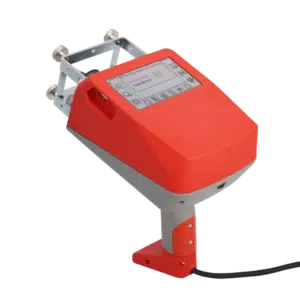
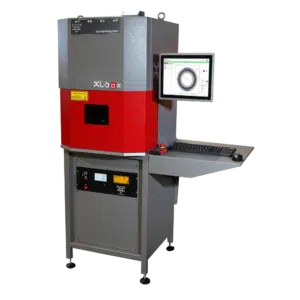
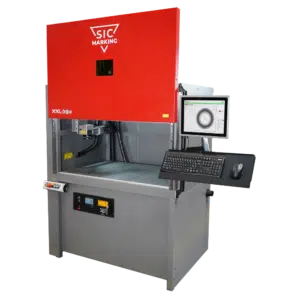
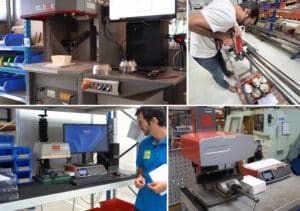
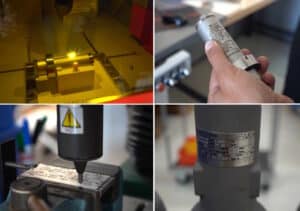
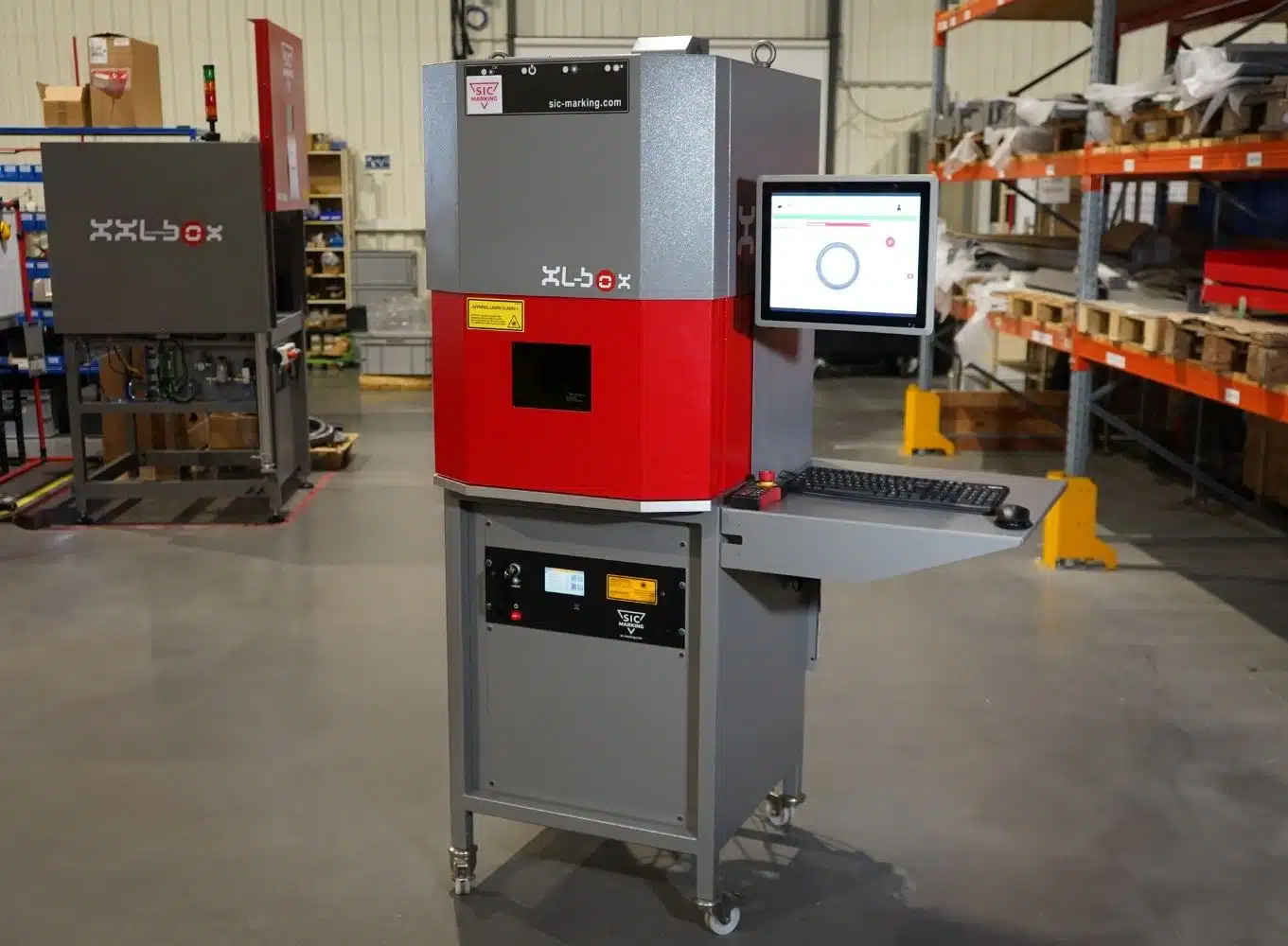
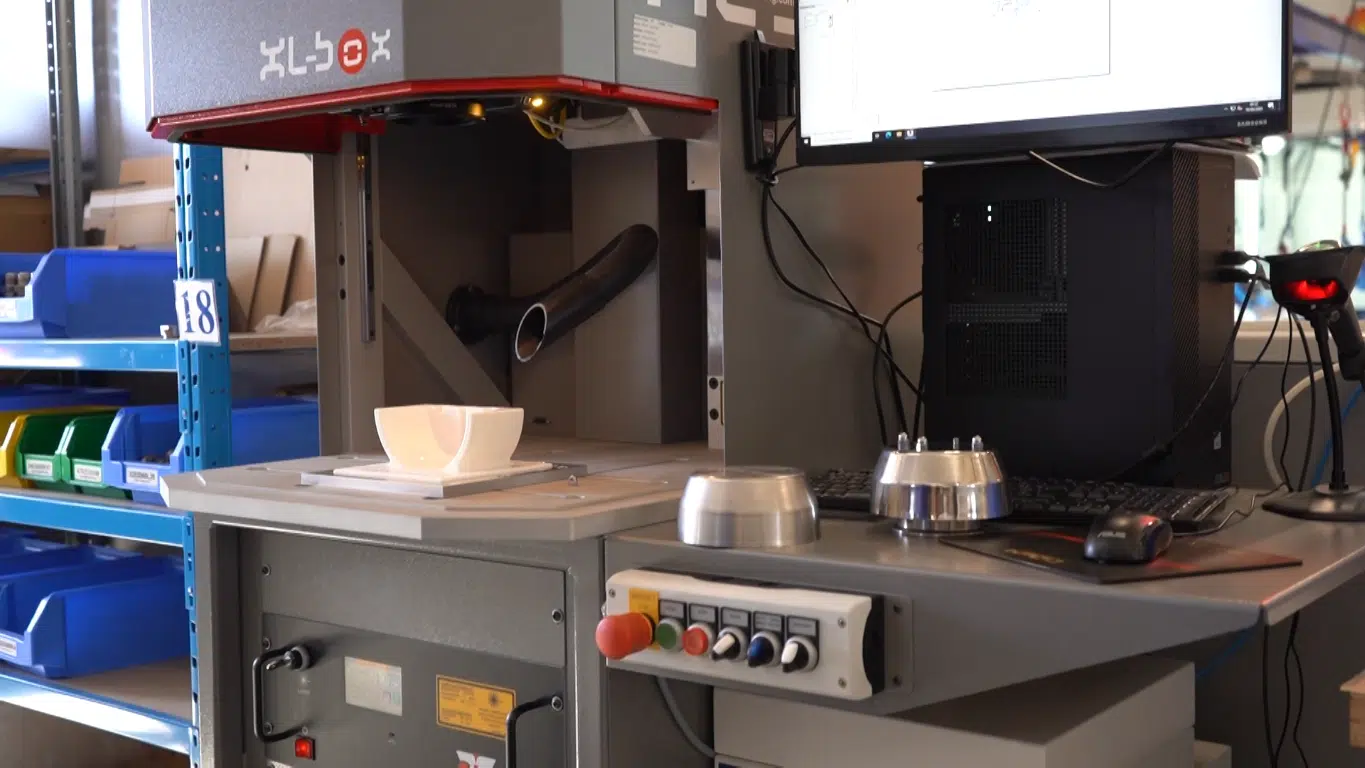
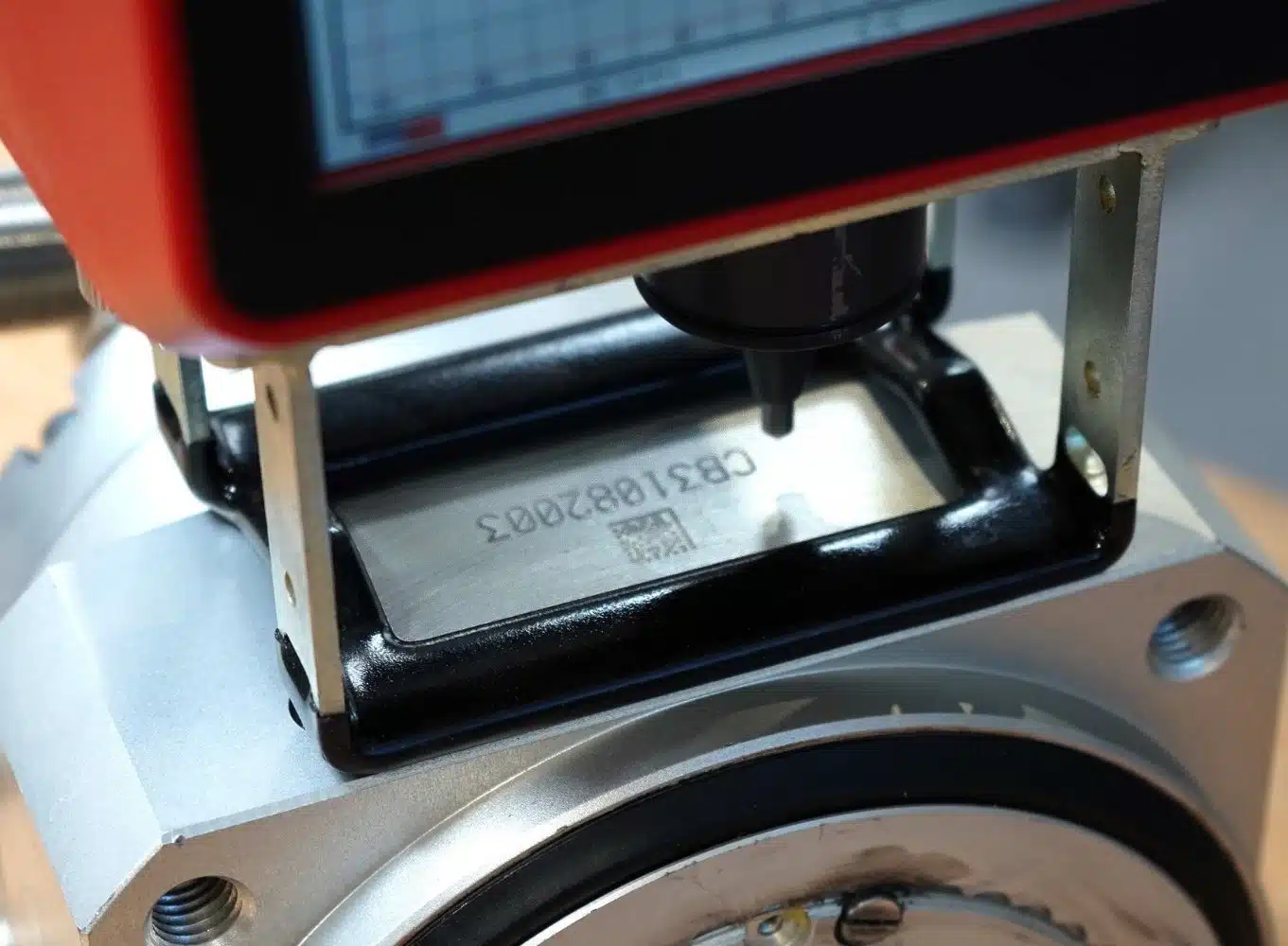
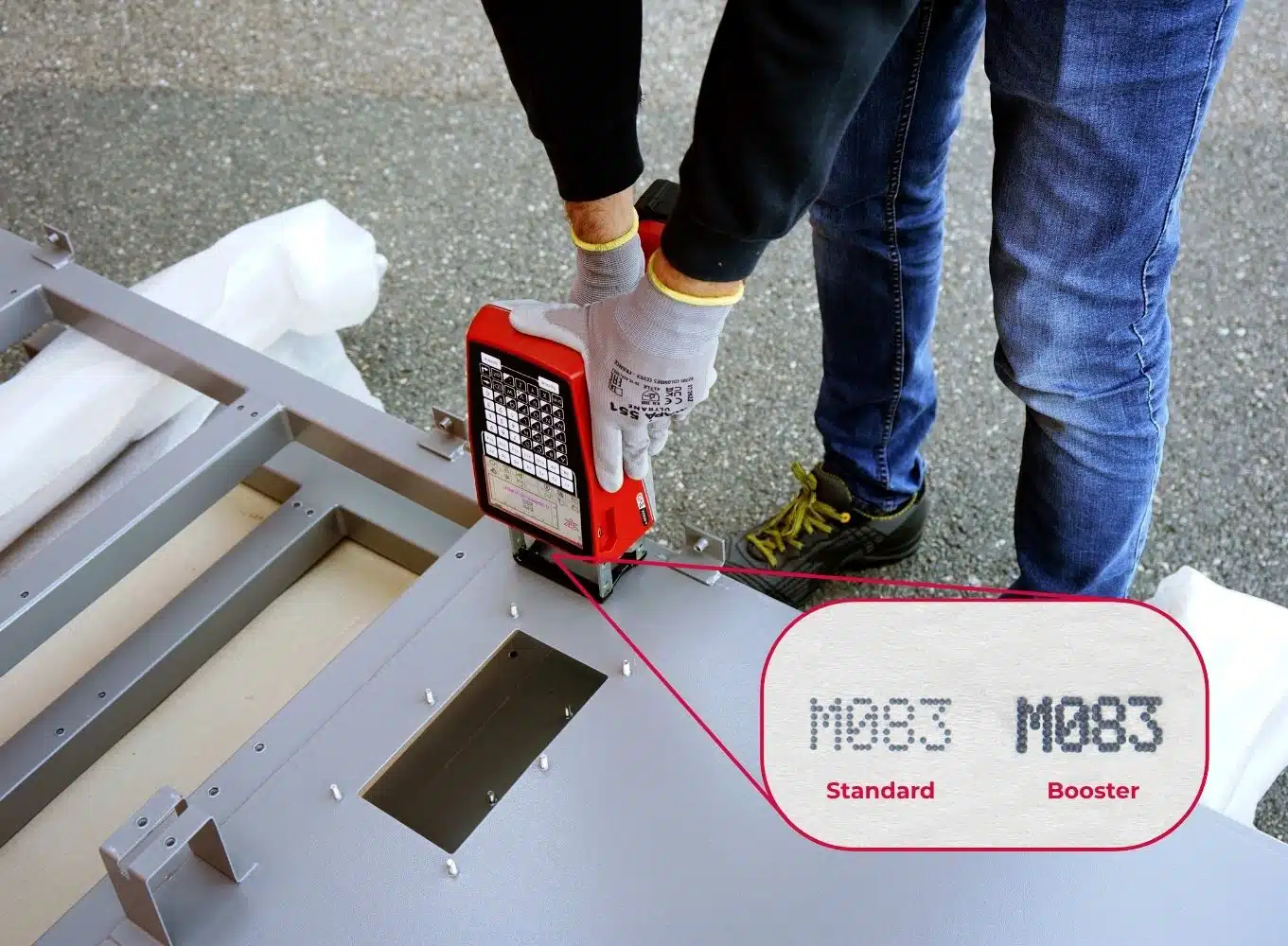
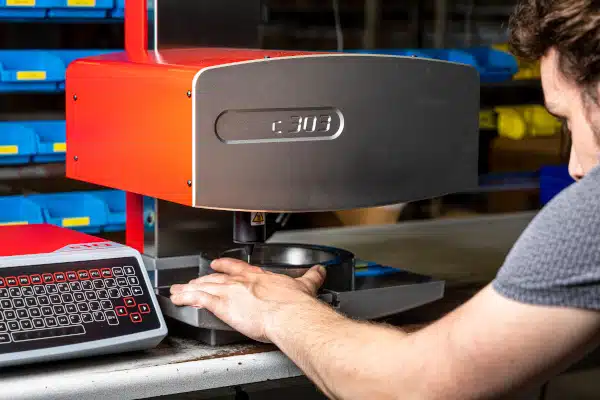
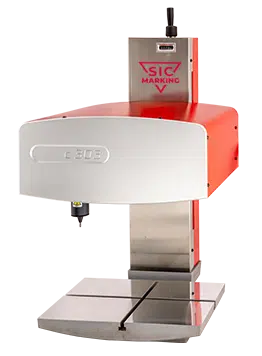
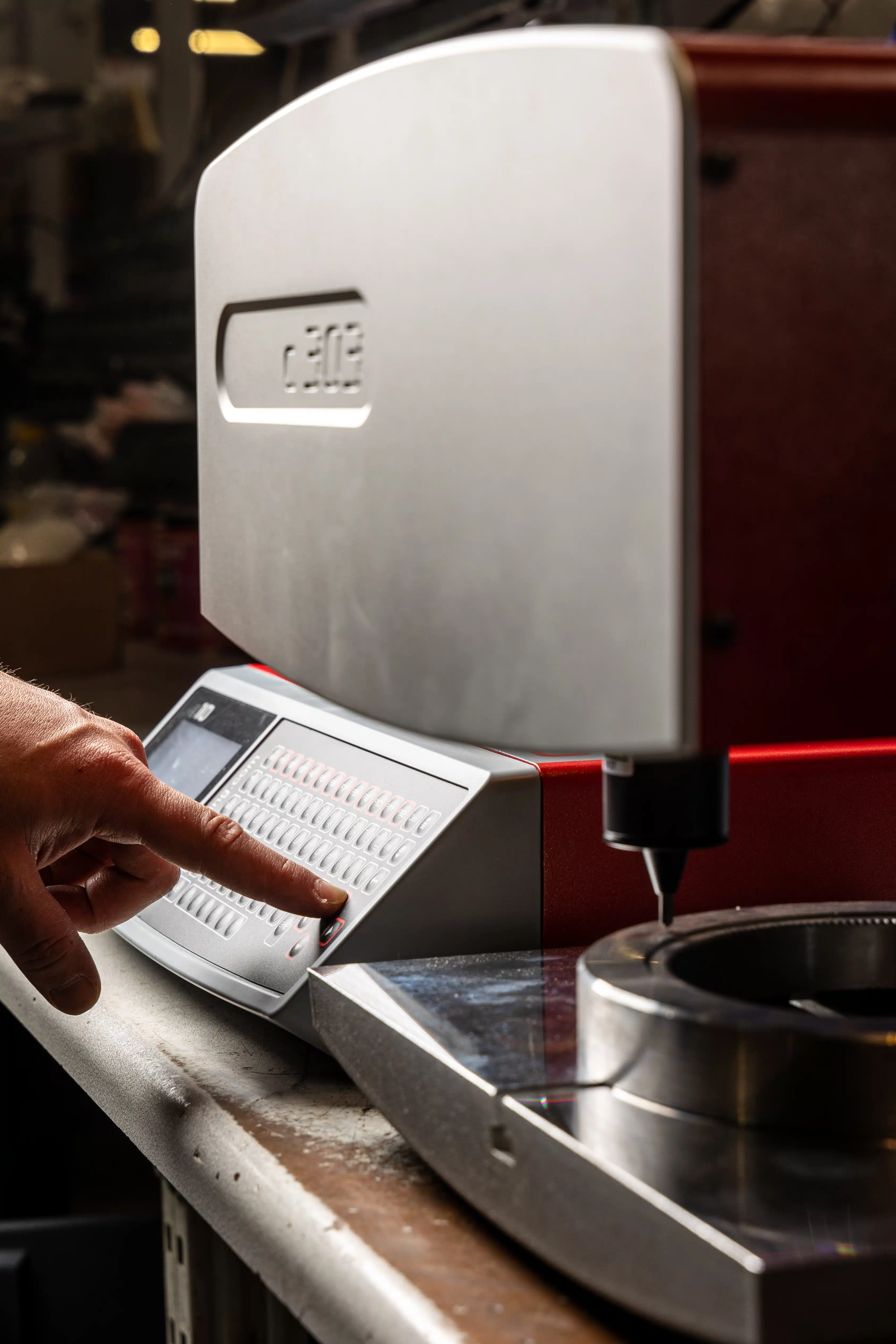
The answer relies on combining dot peen and laser, with each technology assigned to the cases where it fits best. Dot peen delivers durable marking on manufacturer nameplates and components, and remains the preferred choice when the marking has to hold up after painting. It is run by the dot peen marking stations C150 and C303, driven by WinSIC software, along with a laser marking station XL-BOX fitted with SIC Factory Automation for the ID nameplates. All of them are connected to the production database.
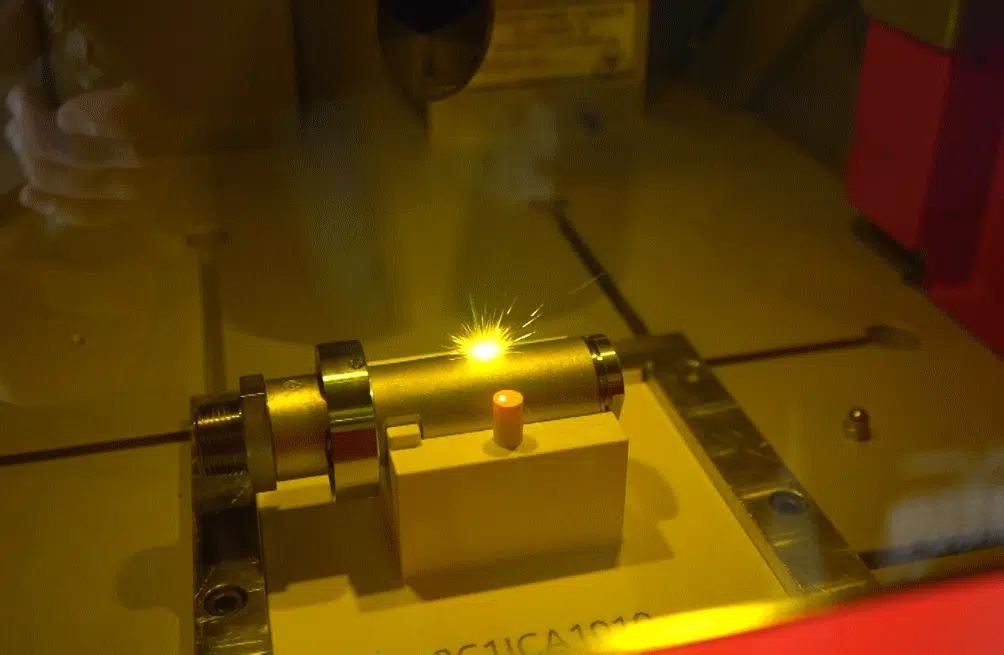
ustment Laser marking addresses the pharma constraint: by engraving the valve body directly, it removes the welded nameplate and the retention area that welding creates during cleaning. It also covers other internal uses — components, metrology items, identification — and takes over when the manufacturer nameplate isn’t suited to the product. Programs, fixtures, trials, settings, and operator training are then handled in-house, after onboarding support from SIC MARKING.
On valves bound for the pharmaceutical sector: laser marking on the polished body made it possible to drop the welded nameplate, and therefore to eliminate a retention area at odds with cleaning requirements. The hygiene constraint that had been holding these products up is removed by the marking method itself.
The built-to-last approach is illustrated by the 2001 C150: rather than replace a machine that was still operational, its controller was swapped out to connect it to the ERP rolled out in 2023. Connecting the stations to the database makes it possible to tie the marking to the part data and to make the flow of information more reliable between steps.
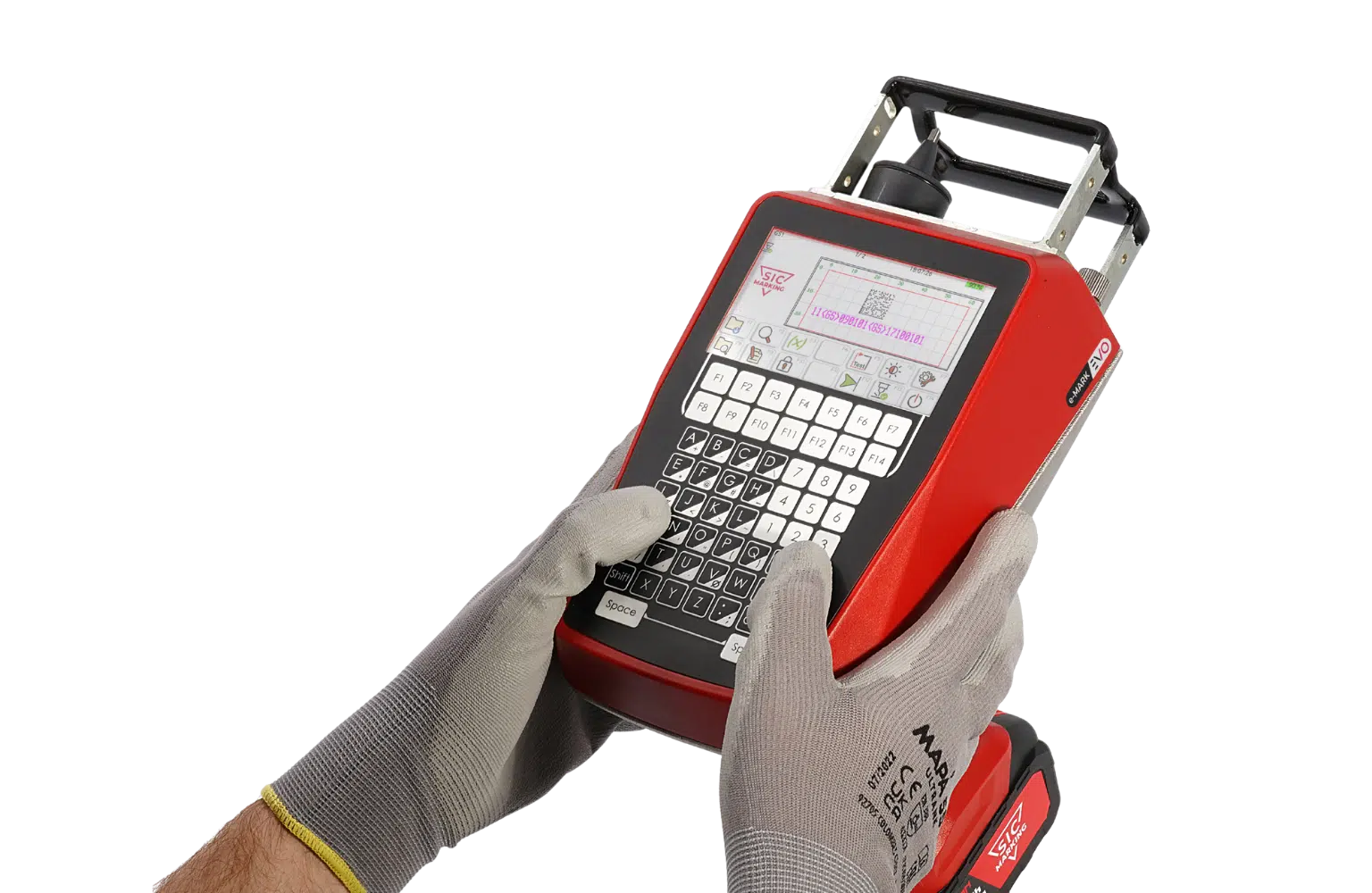
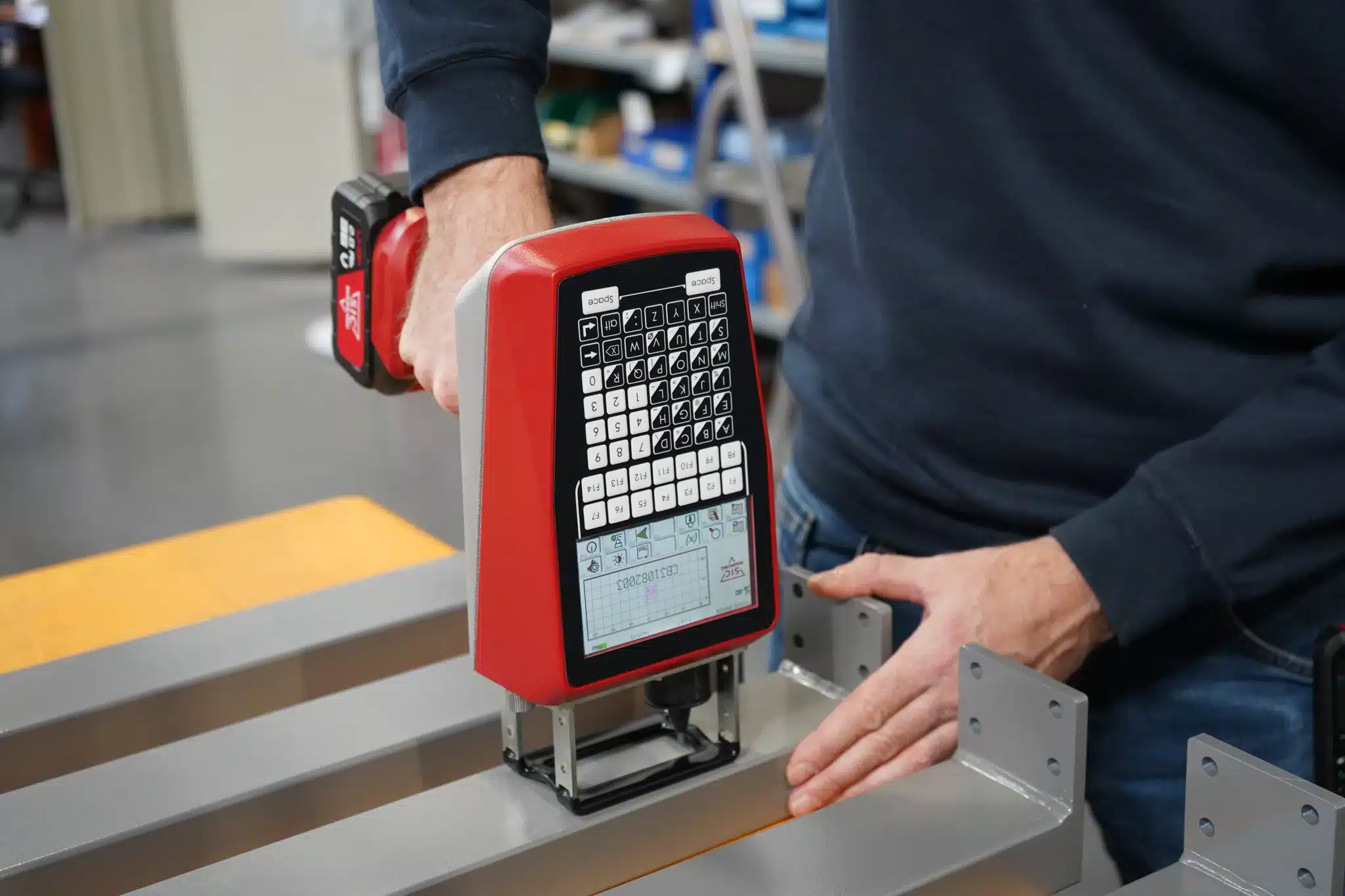
Further upstream, finally, the purchase of a portable dot peen marking device e-MARK EVO is intended to replace the manual stamping of raw material bars. The goal is to secure material identification right at receiving, where the manual operation remained the least reliable link in the traceability chain.
Our Solutions
Discover Our Products
Discover our flagship laser marking, micro-percussion, and scribing equipment, including our portable machines, modules that can be integrated into production lines, and standalone marking stations.
Want to learn more?
Contact us!